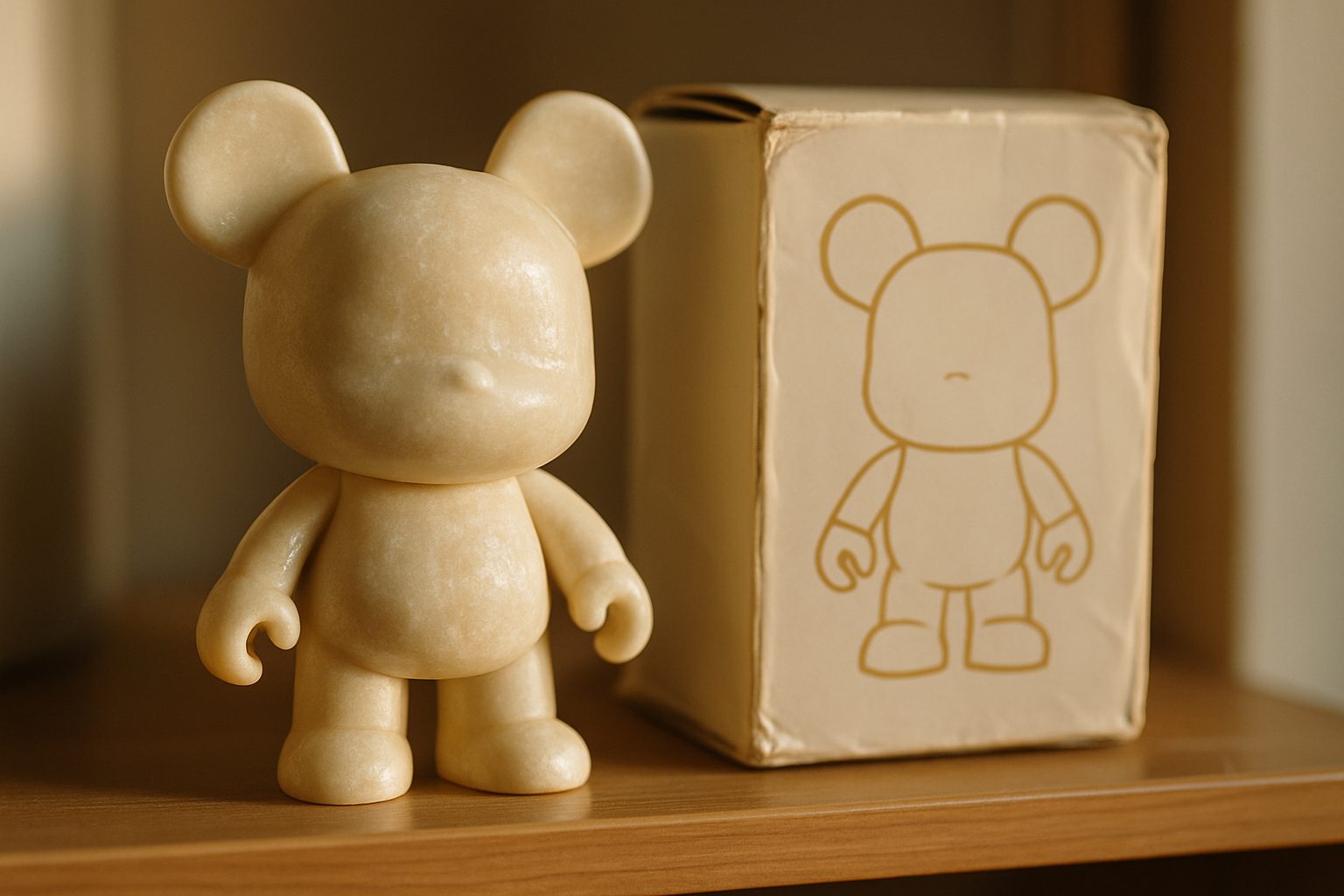
TL;DR: Humidity, heat, and light are the top silent killers of collectible value. Moisture warps cardboard, foxes paper, clouds vinyl, and breeds mold; UV fades paint and packaging. Store items at 60–70°F and 45–55% relative humidity, away from sunlight. Damaged pieces lose 20–80% of value—so sell or consign before decline sets in.
Why does humidity destroy collectible value so quietly?
Humidity destroys value because the damage is slow, cumulative, and invisible until it's severe. Moisture in the air seeps into cardboard, paper, vinyl, and paint over months, causing warping, mold, foxing (brown spots), and clouding long before you notice. By then, grading and resale value have already dropped sharply.
Most collectors assume damage requires a dramatic event—a spill, a drop, a flood. In reality, the everyday air in a garage, attic, or closet does the harm. A blind box figure sitting in a humid room can develop tacky, sticky vinyl or a mildew smell that no cleaning fully reverses.
The economics are brutal because the collectibles market pays a premium for "mint" condition. A small drop in condition can mean a large drop in price.
What humidity level is safe for storing collectibles?
Aim for 45–55% relative humidity and a stable temperature of 60–70°F (16–21°C). Below 40% RH, materials dry out and become brittle; above 60% RH, mold and warping accelerate. Stability matters more than hitting a perfect number—swings between wet and dry stress materials repeatedly.
Quick reference by material:
- Paper & cardboard (cards, comics, blind box boxes): 45–50% RH. Most sensitive to foxing and warping.
- Vinyl & plastic (Labubu, Funko, action figures): 45–55% RH. High humidity turns vinyl sticky and cloudy.
- Die-cast & metal: below 50% RH to prevent rust and oxidation.
- Plush & fabric: 45–55% RH; mold and mildew ruin them fast.
A $15 hygrometer tells you your real numbers. Garages and attics routinely swing from 20% to 80%—the worst possible environment.
How does bad storage specifically damage Labubu and blind box figures?
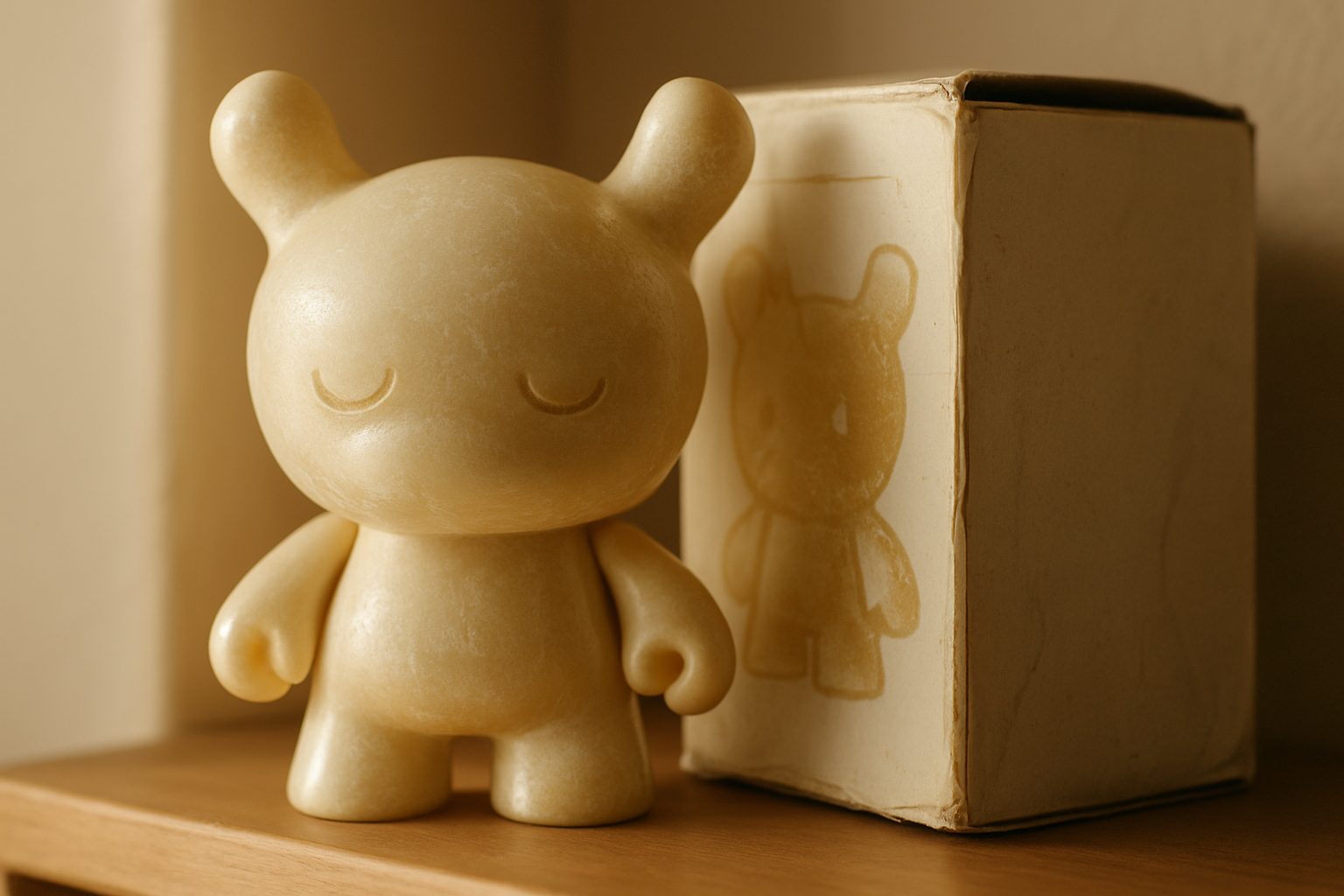
Blind box figures like Labubu lose value in two ways: the figure degrades, and the box degrades. For sealed and chase-variant collectors, an intact, crisp box is often half the value. Humidity softens box corners, lifts printing, and blooms mildew; heat and UV fade the signature colors.
Labubu and similar POP MART-style figures use soft vinyl and painted detailing that are especially vulnerable:
- Sticky vinyl — heat and humidity break down plasticizers, leaving a permanently tacky surface.
- Paint rub and fading — UV light dulls face and accessory paint, killing that fresh-from-the-box look.
- Warped or dented boxes — the single biggest value killer for sealed blind boxes and full sets.
- Yellowing — clear plastic windows and white plastic yellow under sunlight and heat.
Because blind box lines move fast and trend hard, a figure at peak demand today may be worth far less after a season sitting in a damp bin. If you're holding hyped pieces in imperfect conditions, moving them while condition and demand are high protects the most value.
What are the warning signs my collectibles are already damaged?
Watch for foxing (brown spots on paper), a musty or mildew smell, cloudy or tacky vinyl, curled box flaps, yellowing plastic, and paint that looks dull or flaked. Any of these signals active or past moisture and UV exposure—and each one lowers grade and resale price.
Other red flags:
- Condensation or water rings inside display cases.
- Rusty spots on die-cast, screws, or metal accessories.
- Plush that feels stiff, smells sour, or has surface discoloration.
- "Blooming" — a white, waxy haze on vinyl or chocolate-brown collectibles.
Mold and stickiness are effectively permanent. Once vinyl goes tacky or paper foxes, you can slow it but rarely reverse it. That's why acting early—storing correctly or selling before decline—beats trying to restore later.
How should I store collectibles to protect their value?
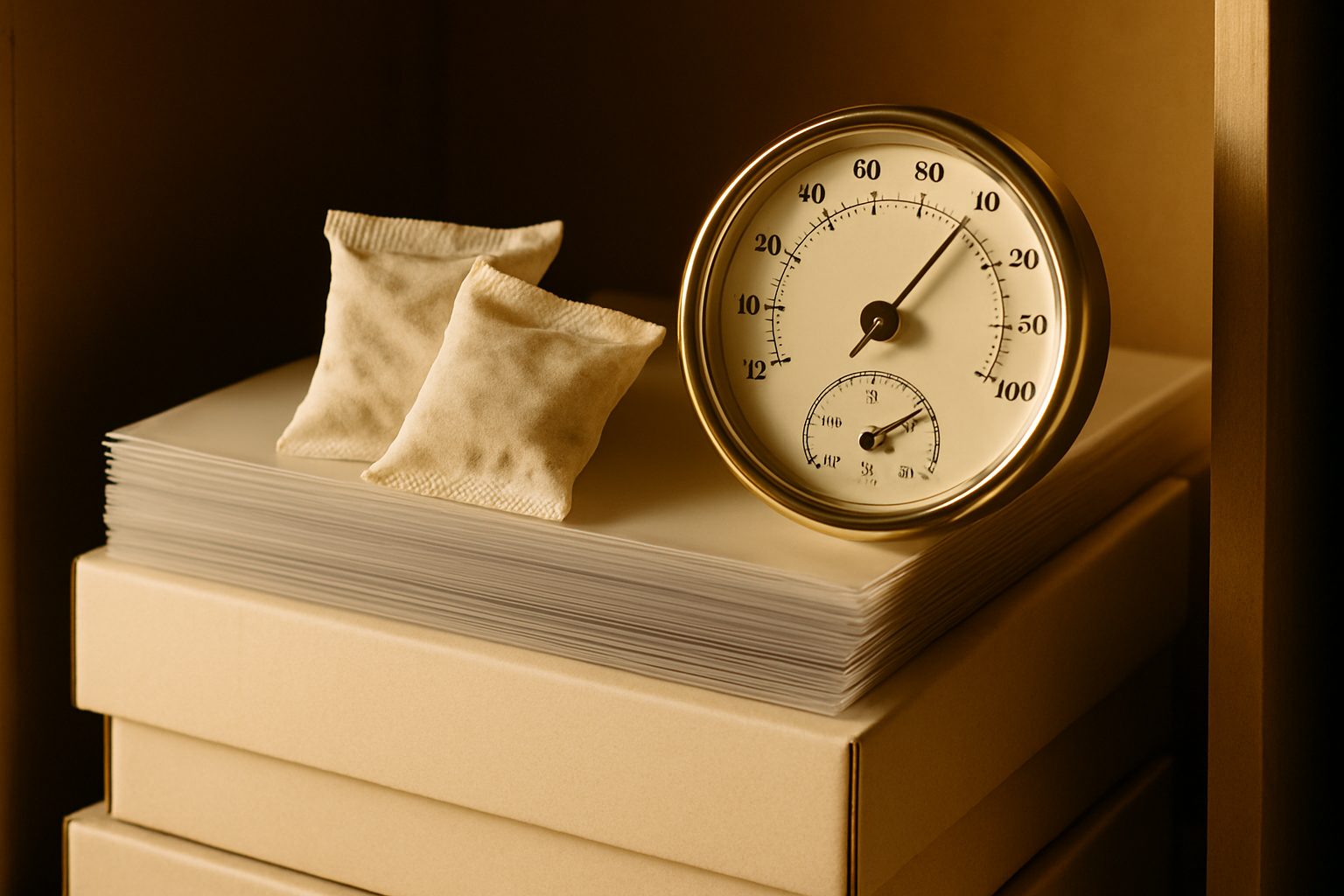
Store items in a climate-controlled interior room (never garage, attic, or basement), in the dark, in acid-free or inert materials, off the floor, with airflow. Add silica gel packs and a hygrometer. The goal is stable moderate humidity, no direct light, and no temperature swings.
Practical setup:
- Location — an interior closet or shelf inside your living space, not an exterior wall.
- Containers — acid-free sleeves and boxes for paper; hard cases or UV-filtering detolf-style cabinets for figures.
- Moisture control — silica gel or a small dehumidifier; monitor with a hygrometer.
- Light — block UV completely; even indirect daylight fades over time.
- Elevation — keep boxes off floors in case of leaks or flooding.
If climate-controlled storage isn't realistic for your collection, converting pieces to cash or professional care is often the smarter financial move.
When should I just sell or consign instead of storing?
Sell or consign when you can't provide stable storage, when a piece is at peak demand, or when you'd rather not gamble on slow degradation. Storing high-value or trend-driven items in poor conditions is a quiet, guaranteed loss. Cashing out at good condition locks in today's value.
At Kali.J Design (The Toy Showroom) in Upland, CA, we make that easy two ways:
- Sell for cash — get a same-day, 24-hour coded offer and walk away with cash. Start a cash offer here.
- Consign — you keep 60% of net while we handle professional photography, shipping, and returns across eBay, Amazon, Whatnot, weekly auctions, and our showroom. Consign with us here.
Either way, your collectibles stop silently losing value in a humid closet and start working for you.
FAQ
Does a garage or attic ruin collectibles? Yes. Garages, attics, and basements have the widest temperature and humidity swings in a home, making them the worst place to store cards, figures, or blind boxes.
Can I reverse humidity damage like sticky vinyl or mold? Usually not fully. Tacky vinyl, foxing, and mold are largely permanent. You can slow further damage, but grade and value rarely recover—so prevention or early sale matters most.
Do silica gel packs actually help? Yes, in sealed containers. Silica gel buffers small humidity spikes, but it isn't a substitute for a climate-controlled room or a dehumidifier for larger collections.
Is an unopened Labubu box worth more than an opened one? Often, yes—for sealed and chase collectors, an intact, undamaged box is a major part of the value. Humidity-warped or faded boxes lose that premium.
How fast can humidity damage happen? Visible damage can appear in weeks in very humid conditions, but most degradation is gradual over months, which is why it goes unnoticed until value has already dropped.
Should I sell now or wait for a figure to appreciate? If you can't store it safely, selling now usually wins. Trend-driven items like blind box figures can fall in demand and condition simultaneously—locking in today's value avoids both risks.