TL;DR: To price an inherited collection, first inventory and sort everything by category and condition, then research recent sold prices (not asking prices) on eBay, Whatnot, and price guides. Value the top 20% of items individually and the rest in lots. For a fast, no-hassle result, get a professional offer to sell or consign.
Inheriting a collection is equal parts sentiment and spreadsheet. Whether it's a garage of vintage action figures, a curio cabinet of porcelain, or a shelf of sealed Labubu blind boxes, the same disciplined process turns an overwhelming pile into a defensible number. Here's how to do it right.
Where do I even start with an inherited collection?
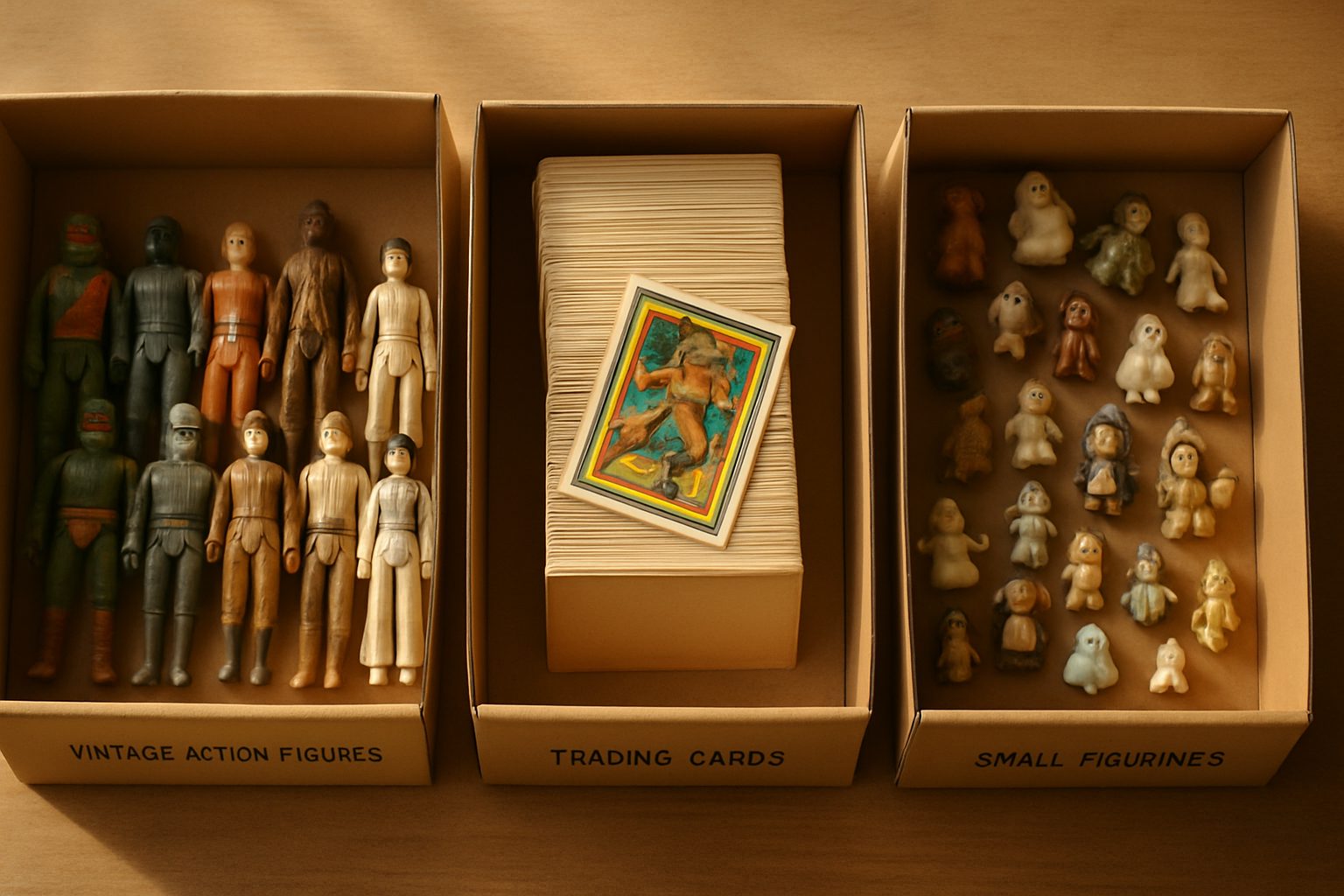
Start by taking inventory before you research a single price. Photograph everything, then sort items into categories (trading cards, toys, coins, comics, art) and flag anything sealed, graded, or signed. A rough count and a few clear photos are the foundation every later valuation step depends on.
Work one box or shelf at a time so nothing gets lost or double-counted. As you go:
- Separate sealed from opened. Factory-sealed and mint-in-box items can be worth multiples of loose ones.
- Note graded slabs (PSA, CGC, BGS, WATA). The grade drives the price.
- Set aside anything you're unsure about rather than tossing it—obscure items are often the sleepers.
- Don't clean or "restore" anything. Amateur cleaning almost always lowers value.
A simple phone spreadsheet with columns for item, quantity, condition, and "sold-for" price is all the tooling you need.
How do I find out what each item is actually worth?
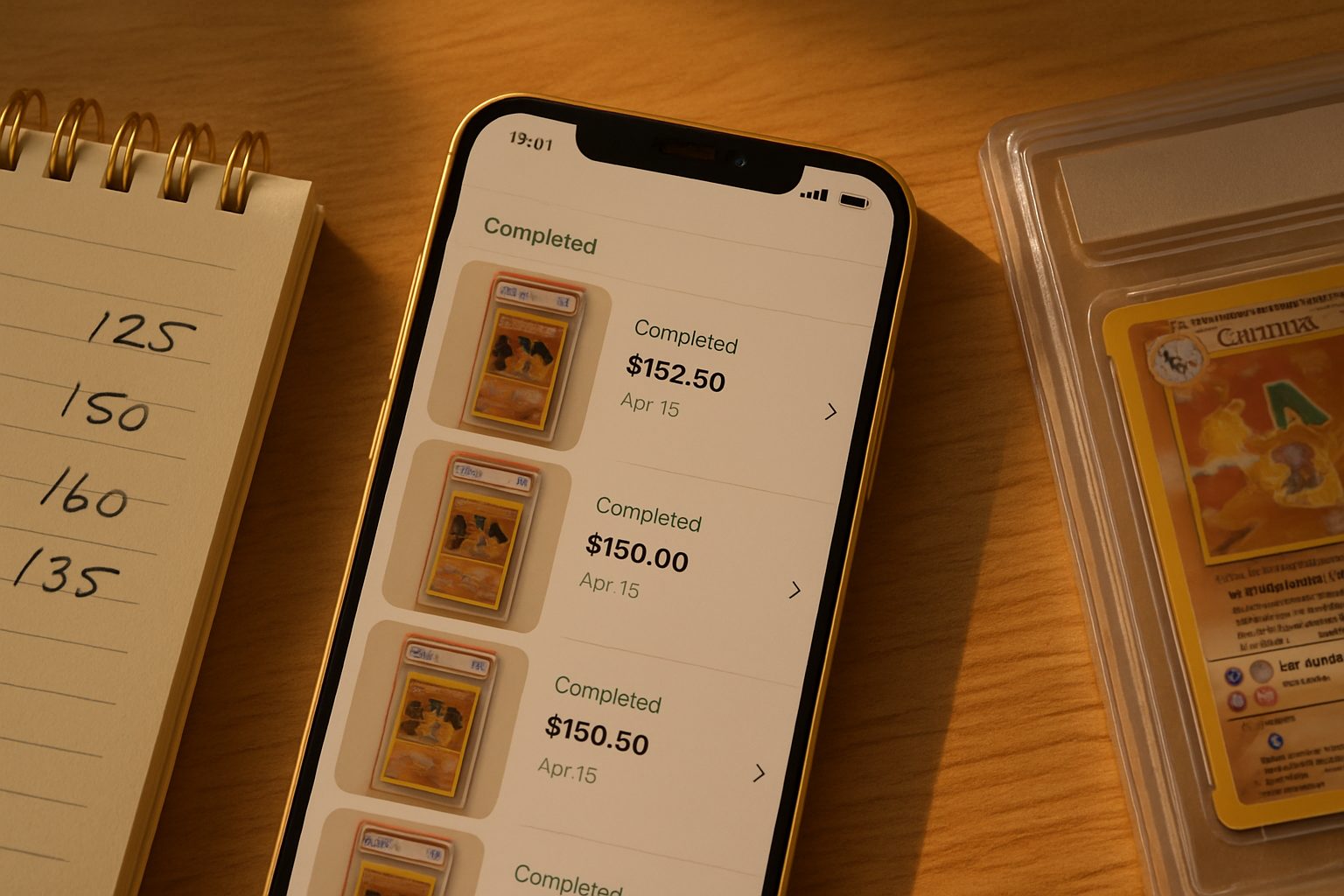
Price against completed and sold listings, never active asking prices. On eBay, filter search results to "Sold Items" to see what buyers really paid in the last 90 days. For live-auction categories, check recent Whatnot sales. Sold data is the single most reliable pricing signal available to a non-expert.
Asking prices are wishful; sold prices are real. Build your numbers from these sources:
- eBay "Sold" filter — the gold standard for most collectibles.
- Whatnot — strong for cards, toys, and blind-box categories sold via live auction.
- Category price guides — PriceCharting (video games), TCGplayer (Magic/Pokémon), Numista (coins), Heritage Auctions archives (fine collectibles).
- Population reports — for graded cards and comics, scarcity at a given grade changes value dramatically.
Take a median of several recent sales rather than the single highest result, which is usually an outlier.
How should I price modern blind-box items like Labubu figures?
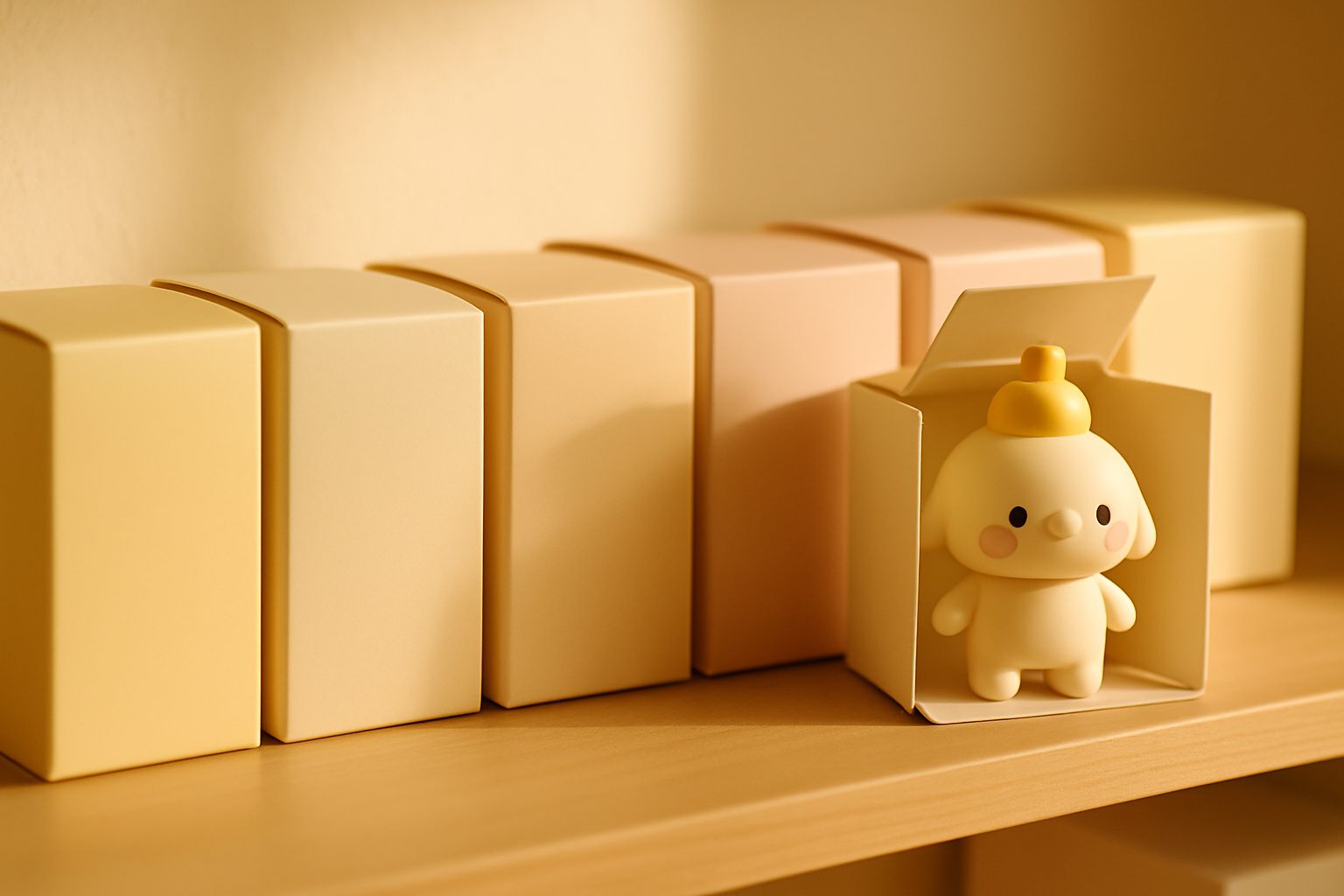
Price blind-box figures by series, character, and whether they're sealed or a confirmed "secret" chase. A sealed Labubu blind box from a current Pop Mart series typically holds modest value, while a pulled secret or a retired series can command a large premium. Condition of the box itself matters here.
Labubu (the Pop Mart brand by artist Kasing Lung) is a useful example of how fast modern collectibles move:
- Sealed vs. opened: An unopened box carries "mystery" value; once opened, price is set by the specific character revealed.
- Secrets and chases: Rare variants can sell for many times the retail price.
- Retired series: Discontinued lines climb as supply dries up.
- Authentication: Counterfeits are common—check UV markings, QR codes, and packaging quality before assigning value.
If your inherited collection mixes vintage and hot modern pieces like these, the modern items may actually be the easiest to value because sold data is fresh and abundant.
Should I price every single item, or use lots?
Value the top 20% of your collection individually and bundle the rest into lots. In most collections, a small number of items carry the majority of the dollar value. Spending hours researching common, low-value pieces individually rarely pays off; grouping them into themed lots sells faster and nets more per hour.
Use the 80/20 rule as your time filter:
- Individual pricing for high-value, graded, sealed, or rare items.
- Lot pricing for commons, duplicates, and bulk (e.g., "50 loose 1990s figures").
- Keep lots coherent by theme or era—buyers pay more for organized groupings than random mixes.
When is it worth getting a professional valuation instead?
Get a professional valuation when the collection is large, unfamiliar, or potentially high-value, or when your time is worth more than the research hours. A specialist recognizes sleeper items, spots authentication issues, and prices against private-sale data you can't see. For most heirs, a free expert offer is the fastest path to a real number.
DIY research is great for confirming ballpark value, but it has limits: you can't easily value regional rarities, factory errors, or items with thin public sales history. This is where The Toy Showroom (Kali.J Design, Upland CA) helps:
- Sell for cash: Get a same-day cash offer with a 24-hour coded price you can think over. Start at sell.kalijdesign.com/start.
- Consign for more upside: Keep 60% of the net while we handle photography, shipping, and returns across eBay, Amazon, Whatnot, weekly auctions, and our showroom. Learn more at consignment.kalijdesign.com.
Selling outright is best when you want speed and certainty; consignment usually earns more on higher-value or trend-driven items like Labubu figures, where reaching live-auction buyers lifts the final price.
FAQ
How long does it take to price an inherited collection? A small collection can be inventoried and roughly priced in an afternoon. Large estates take days—which is why many heirs get a professional offer instead of researching every piece.
Does condition really change the value that much? Yes. For sealed, graded, and boxed items, condition can swing value by 2–10x. Never clean or repair items before valuation.
Should I sell inherited collectibles for cash or consign them? Sell for cash when you want speed and a guaranteed number today. Consign when items are higher-value or trending and you want to keep 60% of the net.
Are Labubu figures a good thing to inherit right now? They can be. Sealed boxes, secret chases, and retired Pop Mart series are actively traded, so they're often quick to value and sell—just verify authenticity first.
Do I owe taxes on an inherited collection? Possibly, depending on value and where you live. Consult a tax professional; inherited items often receive a stepped-up cost basis as of the date of inheritance.