TL;DR: Don't sell anything until you inventory the collection, research recent sold prices, and get at least two independent offers. Reputable buyers explain their pricing, give written coded offers, and never rush you. For fair value with zero hassle, get a same-day cash quote or consign and keep 60% of the net.
Inheriting a collection is emotional and confusing. Whether it's coins, comics, sports cards, vintage toys, or a shelf of sealed Labubu blind boxes, the risk is the same: someone offers a quick number, plays on your grief, and walks away with thousands in value for a fraction of the price. Here's how to avoid that.
How do I figure out what my relative's collection is actually worth?
Start by cataloging everything before you sell a single item, then check recent sold prices—not asking prices—on eBay, WorthPoint, and category-specific guides. Sold data reflects what real buyers pay today. Photograph each item, note condition and any packaging, and flag anything sealed, graded, or limited-edition.
Value lives in the details most families overlook:
- Condition and packaging — a sealed or mint item can be worth 5–10x a loose one.
- Grading — cards and coins in PSA, CGC, or PCGS slabs command premiums.
- Rarity and print runs — chase variants, first editions, and short-print figures.
- Completeness — full sets and original boxes matter enormously.
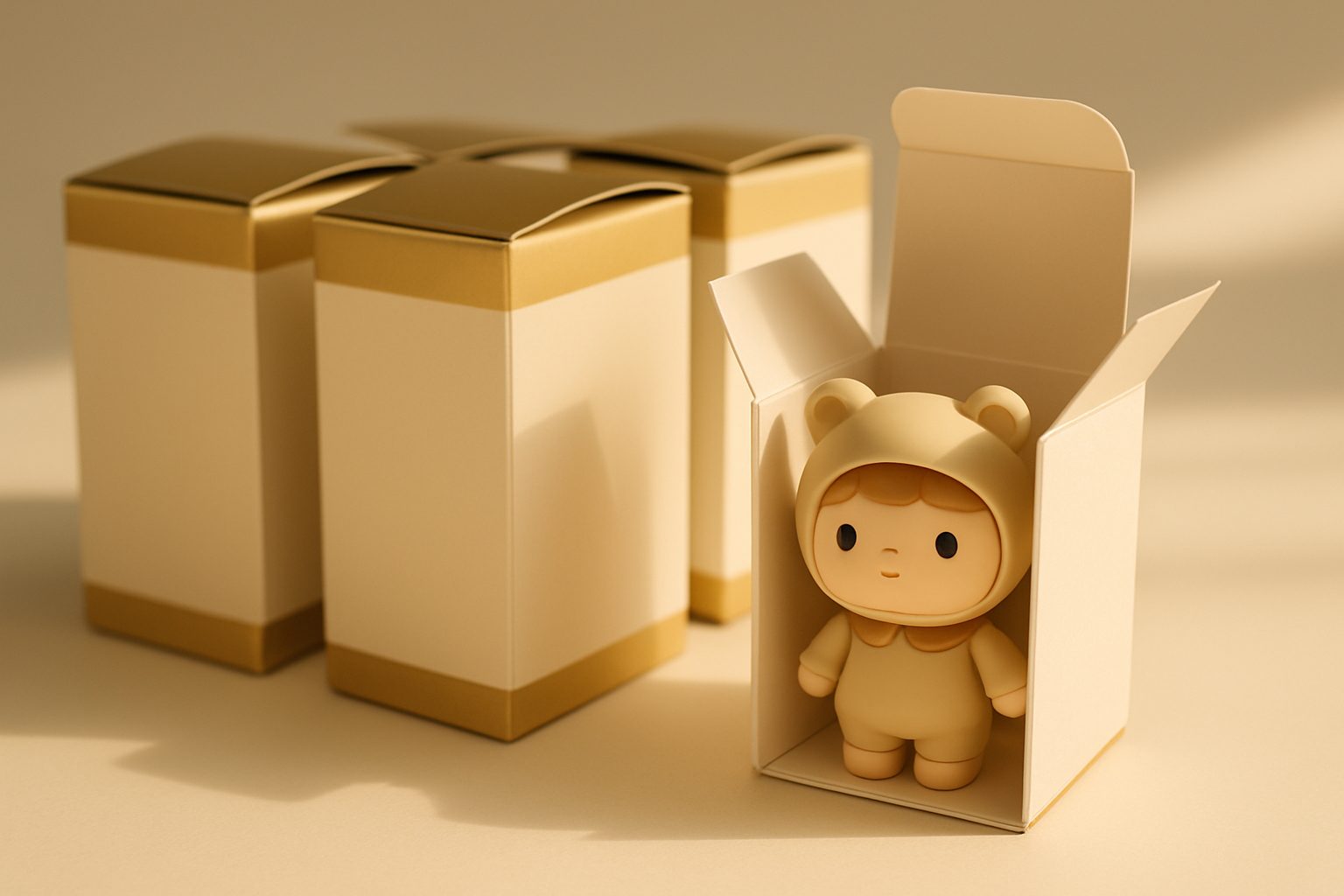
For example, Labubu blind box figures by Pop Mart look identical on the outside, but a rare "secret" chase pull from a hot series can sell for many times the retail price—while common pulls sell for a few dollars. If you sell the whole case blind, you may hand over the expensive one for free.
What are the biggest ways people get ripped off?
The most common trap is accepting the first offer from a buyer who won't explain how they reached it. Lowball buyers exploit urgency, grief, and inexperience. They quote one round number for a mixed lot, discourage you from researching, and pressure you to decide "today only" without anything in writing.
Watch for these red flags:
- No itemization — a single figure for hundreds of items hides the valuable pieces.
- Cash-in-the-driveway pressure — legitimate buyers give you time to think.
- Discouraging second opinions — an honest buyer expects you to compare.
- "It's basically worthless" for items you can see selling online for real money.
- No written, verifiable offer — verbal quotes evaporate.
A trustworthy buyer gives you a documented offer you can take away and compare. At The Toy Showroom, our offers come as 24-hour coded quotes you can walk out with, research, and return to—no pressure, no expiration games.
Should I sell for cash, or consign the collection?
Choose cash when you want speed, certainty, and a clean close on the estate. Choose consignment when the collection has higher-value pieces and you'll net more by reaching real buyers over time. The right answer often depends on how much time versus money you're optimizing for.
Sell for cash if you:
- Need to settle an estate quickly or clear a home fast.
- Prefer one guaranteed payment with no waiting.
- Have a mixed lot where convenience outweighs squeezing every dollar.
Get a same-day cash quote at sell.kalijdesign.com/start.
Consign if you:
- Own graded, sealed, or sought-after items that deserve the full market.
- Are willing to wait weeks for pieces to reach the right buyers.
- Want professional listings without doing the work yourself.
With our consignment program you keep 60% of the net, and we handle photography, listing, shipping, and returns across eBay, Amazon, Whatnot, weekly auctions, and our Upland showroom. Learn more at consignment.kalijdesign.com.
How do I get the most for high-value or sealed items?
Never break up sealed sets, remove items from graded slabs, or clean coins and cards—each destroys value instantly. Isolate anything sealed, graded, autographed, or limited, and have those pieces evaluated individually rather than lumped into a bulk lot. The premium items are usually where 80% of the money lives.
Practical steps:
- Keep original packaging intact, including inserts, receipts, and certificates of authenticity.
- Store carefully away from sunlight, heat, and humidity until sale.
- Separate the standouts so they're priced on their own merits.
- Consider grading for borderline high-value cards or coins before selling.
For trending items like Labubu figures, sealed cases and full series sets typically outperform loose singles, and demand can spike fast—timing and presentation matter.
How do I choose a reputable buyer or consignor?
Pick a local, established business that itemizes offers, explains its pricing, and puts everything in writing. Look for a real storefront, verifiable reviews, and clear terms on fees and payouts. Transparency about how they make money tells you whether they're on your side.
The Toy Showroom in Upland, CA (Inland Empire) buys collectibles for same-day cash and offers consignment where you keep 60% of the net. We give 24-hour coded offers, maintain a physical showroom, and handle the entire selling process—photography, shipping, and returns—so you don't have to.
FAQ
How quickly can I get paid for an inherited collection? With a cash sale you can be paid the same day once we evaluate the items. Consignment pays out as pieces sell, typically over a few weeks depending on the category and demand.
Do I need appraisals before selling? For most collections, researching recent sold prices and getting a written offer is enough. Formal appraisals help for insurance, high-value estates, or tax purposes—ask an estate attorney if the collection is substantial.
What if I don't know what any of it is worth? That's normal. Bring or send photos and we'll evaluate it for you, item by item, and explain the numbers. You're never obligated to accept an offer.
Are Labubu blind boxes actually worth selling? Yes—especially sealed boxes, full sets, and rare chase figures, which can sell well above retail. Common pulls are worth less, so it pays to identify what you have before selling.
Can I sell only part of the collection? Absolutely. Many families sell high-value pieces for cash and consign the rest, or keep sentimental items and sell the duplicates. We're flexible with mixed strategies.
Is it safer to sell locally or ship items away? Local, established buyers with a physical showroom reduce risk—you can meet in person, get a written offer, and avoid shipping valuables to unknown online buyers.