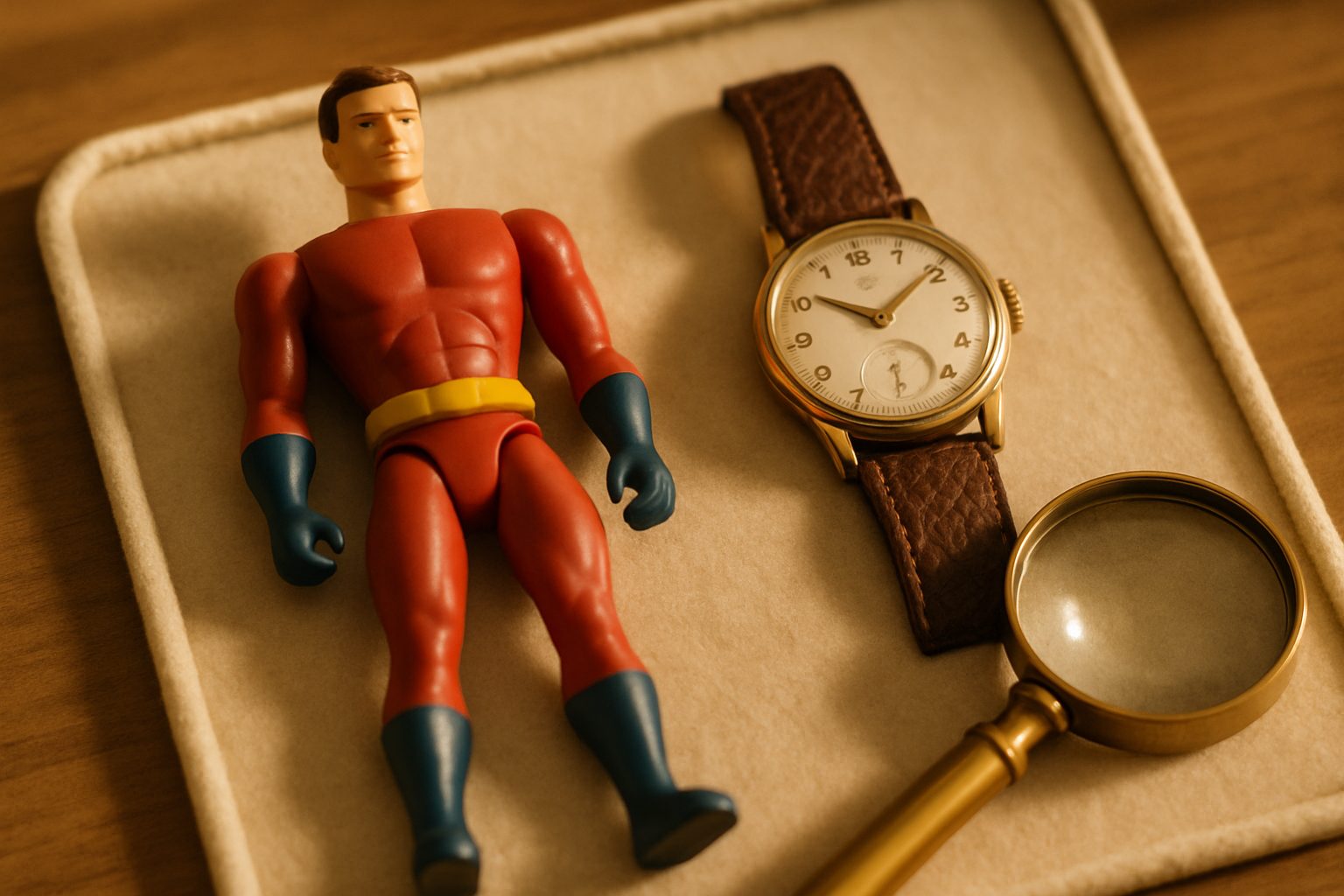
You found something good. Maybe it's a sealed action figure from a storage unit, your grandmother's ring, a signed jersey, or a box of toys from an estate sale. Before you sell, the first question is always the same: what is it actually worth?
Getting that number right matters. Price too low and you leave real money on the table. Price too high and your item sits unsold for months. And if you don't know what you have, you're an easy target for lowballers and scammers. Here's how real valuation works, where it gets tricky, and how to protect yourself.
Start With Sold Comps (Not Asking Prices)
The single most important rule of valuation: look at what items actually sold for, not what people are asking.
Anyone can list a toy for $500. That doesn't mean it sells for $500. The real market is the price a buyer was willing to pay.
- On eBay, search your item, then filter by "Sold Items." This shows completed transactions, not wishful listings.
- Look at the last 30-90 days of sales. Older sales may not reflect today's market.
- Match the exact variant — edition, color, year, packaging, region. A small difference can mean a huge price gap.
- Throw out the outliers. One weirdly high sale doesn't set the market; the cluster of consistent sales does.
For jewelry and precious metals, comps work differently. Gold and silver have a melt value tied to the daily spot price, while branded or designer pieces (think signed jewelry houses) carry a premium above melt. Know which one you're dealing with.
Condition Is Everything
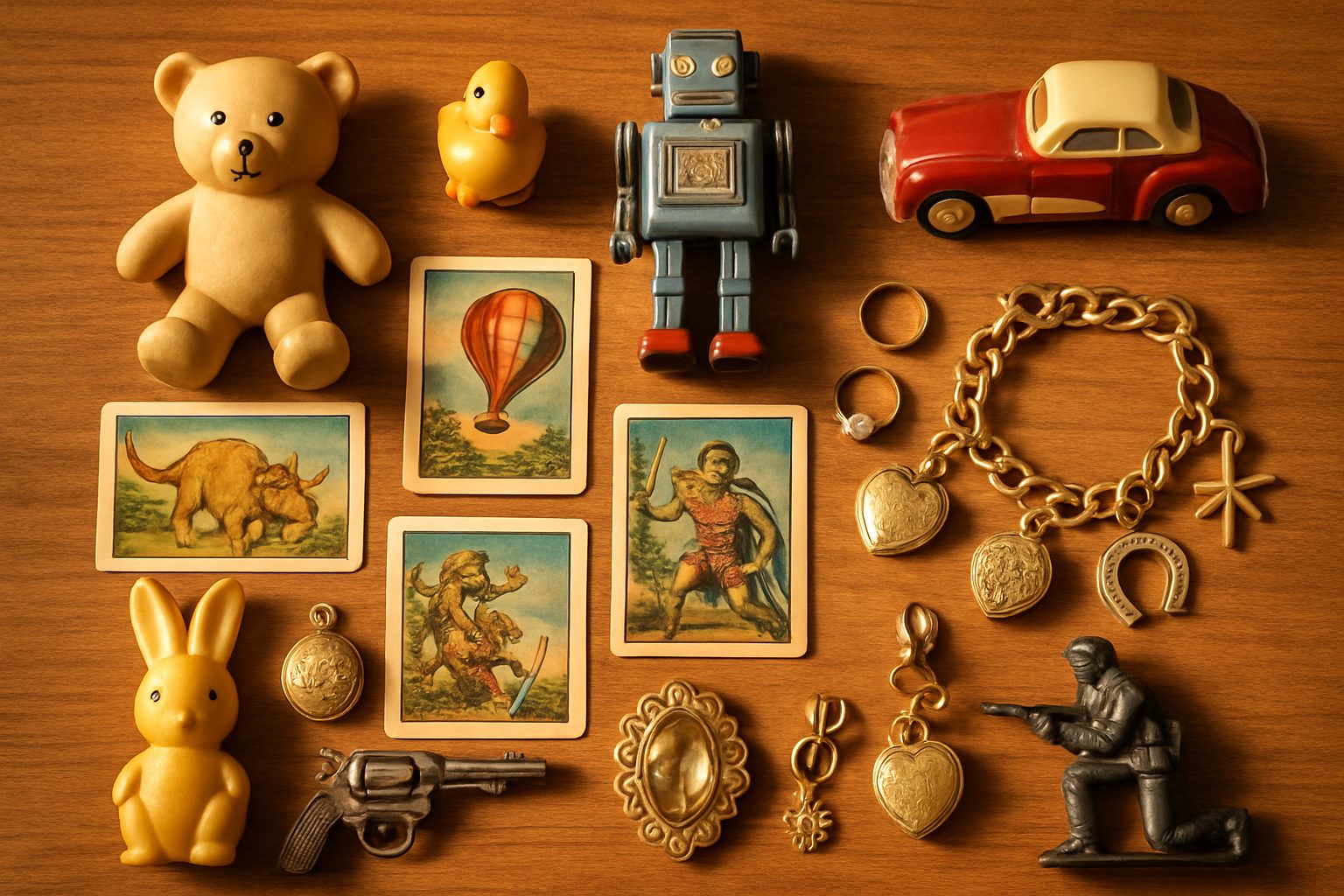
Two identical items can differ in value by 10x based on condition alone. Be brutally honest here — buyers and graders will be.
- Toys & collectibles: Is it sealed, complete, or loose? Are there creases, sun-fading, dents, or yellowing? Original box and inserts? "Mint on card" and "loose, played with" are different universes of value.
- Jewelry: Look at metal purity (karat stamps), stone quality, and any damage or repairs. A missing stone or a re-sized band changes the math.
- Signed memorabilia: The signature's clarity, placement, and the condition of the item it's on all matter.
When in doubt, grade your item conservatively. Overestimating condition is the most common way people misprice things.
Authenticity: The Part That Burns People
This is where the most money is lost — in both directions.
- A real signed item with no proof of authenticity often sells for a fraction of its value, because buyers won't trust it.
- A fake that looks real can cost a seller their reputation, their payment (via chargeback), and sometimes more.
The autograph world is flooded with forgeries. So are high-end sneakers, designer goods, vintage toys, and "limited" releases. Reputable authentication (third-party COAs from recognized authenticators, hologram programs, etc.) can add real value — but only the right authentication. A worthless certificate fools no one.
If you can't confidently prove what you have, assume a buyer will discount it heavily.
Grading: When a Third Party Sets the Value
For high-value collectibles, professional grading can transform the price.
- Trading cards, coins, comics, and sealed video games are routinely graded on numeric scales by third-party companies.
- A graded, slabbed item sells for more because the condition is certified and tamper-proof — the buyer doesn't have to trust your photos.
- But grading costs money and takes time, and a low grade can actually lower your expected return versus selling raw.
Knowing whether to grade — and predicting the grade you'll get — is its own skill. Guess wrong and you've spent money to make less.
Why Accurate Valuation Is Genuinely Hard
Here's the honest part. Even with comps, condition checks, and grading, valuation is easy to get wrong:
- Markets move fast. A character gets a new movie, a player gets traded, a trend dies — and prices swing overnight.
- Variants are sneaky. The difference between a $20 piece and a $2,000 piece can be one tiny marking you'd never notice.
- Comps can mislead. Thin sales data, regional differences, and shill bidding all distort the picture.
- You don't know what you don't know. The most expensive mistakes come from items people thought were ordinary.
This is exactly why people get scammed or underpaid. A buyer who knows more than you has every incentive to talk your item down.
The Easier (and Safer) Path
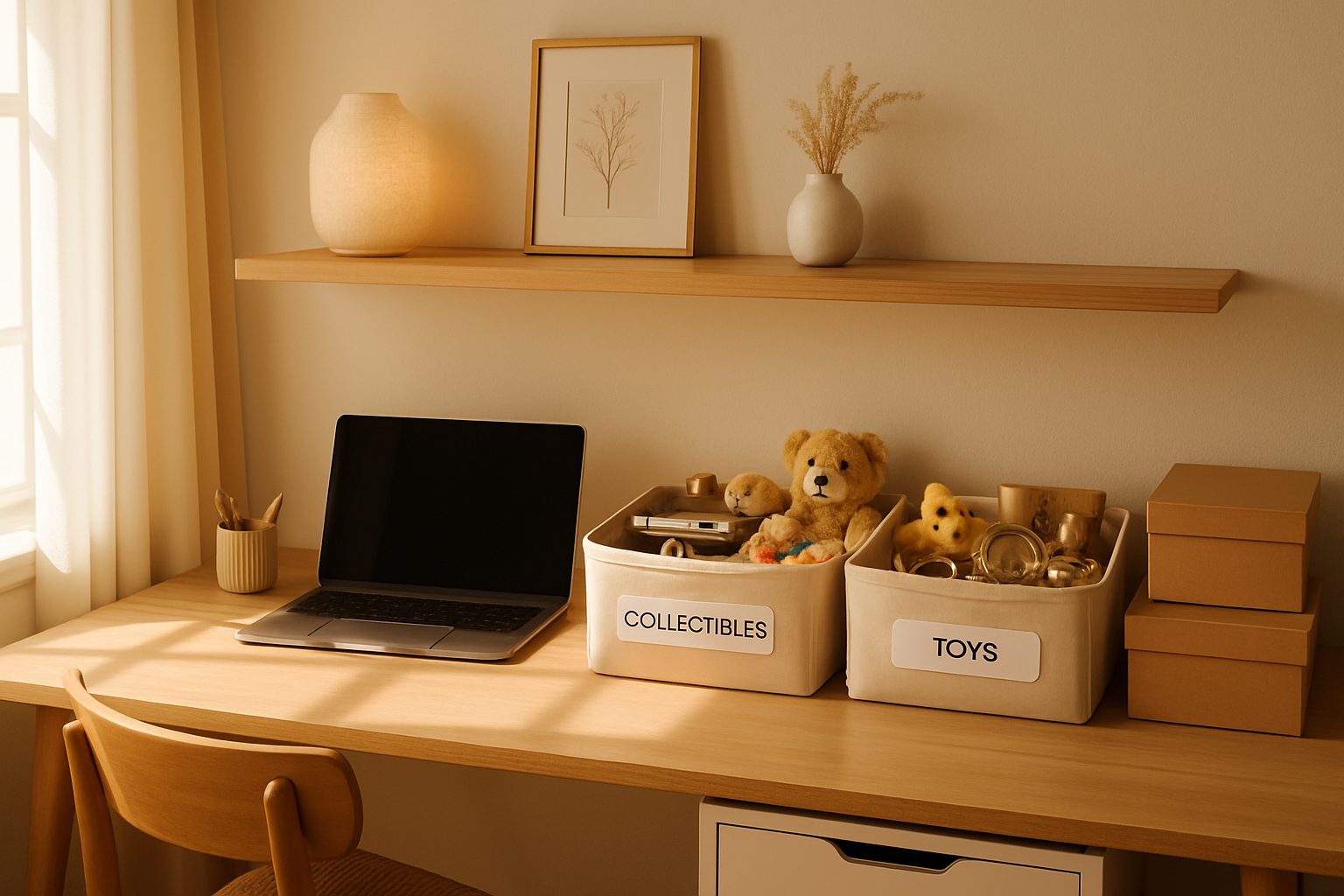
Sourcing is the fun part. Selling it yourself is the hassle and the risk. Once you've got the item, you're signing up for:
- Endless buyer questions, flakes, no-shows, and lowballers
- Photography, listing, and writing descriptions
- Shipping, returns, and chargebacks
- In-person haggling — and at meetups, people who haggle hard or outright steal
That's where we come in. Kali.J Design, DBA The Toy Showroom, in Upland, CA (Inland Empire), gives you two simple options:
- Outright Cash Buyout: We evaluate your photos for free and make a real offer; once you accept it, we arrange your drop-off and pay you at drop-off after checking the items. No listings, no risk.
- Consignment: We sell it for you across eBay, Amazon, Walmart, Poshmark, Depop, Mercari, Whatnot live sales, weekly online auctions, and our Upland Toy Showroom — you keep 60% of the net and we handle everything: photos, listing, buyers, shipping, returns.
Either way, you get an expert valuation before you commit — so you don't leave money on the table or hand it to a scammer.
FAQ
How do I find what my item really sold for?
Search the exact item on eBay and filter to "Sold Items" to see completed prices from the last few months. Ignore asking prices — they're not the market. For gold and silver, check the current spot price for melt value.
Is a free appraisal really free, with no obligation?
Yes. We appraise your item and make a real offer at no cost. You can take the cash, choose consignment, or walk away. The point is that you make the decision with accurate information.
Should I get my collectible graded before selling?
Sometimes. Grading can raise value for high-end cards, coins, comics, and sealed games — but it costs money and a low grade can hurt your return. We can tell you whether grading is worth it for your specific item.
Do you only buy toys?
No. We handle toys, collectibles, jewelry, and signed memorabilia — both cash buyouts and consignment.
Get a Real Number Before You Sell
Don't guess, and don't get talked down. Submit photos of your collectible, toy, jewelry, or signed memorabilia to The Toy Showroom in Upland, CA at sell.kalijdesign.com/sell for a free evaluation and a real offer — cash, or consignment where we do all the work. Reach out with questions, and let's find out what you actually have.