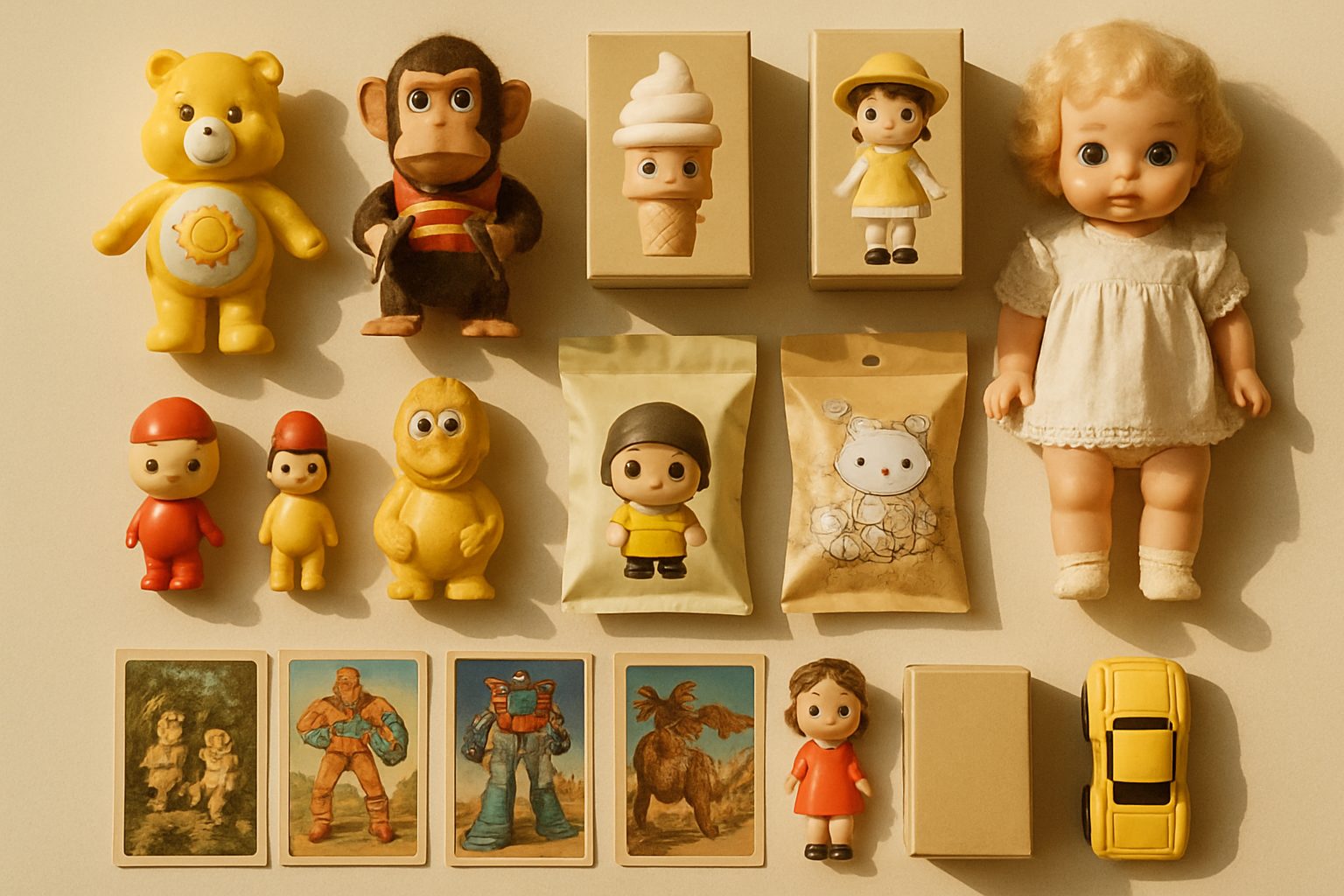
TL;DR: Don't rush. First inventory and photograph everything, then get at least two independent valuations before selling. For a quick exit, take a transparent cash offer; for maximum return on rare pieces, consign so a specialist markets them. Never accept a pressured, unitemized lump-sum bid.
Inheriting a collection is emotional and confusing, especially when you don't know what any of it is worth. Whether it's vintage action figures, sealed LEGO, sports cards, or a shelf of trending Labubu Pop Mart blind box figures, the same principles protect you from lowball offers and regret.
How do I figure out what my relative's collection is actually worth?
Start by cataloging every item with photos, then research recent sold prices—not asking prices—on eBay, Whatnot, and price-guide sites. Condition, completeness, and packaging drive value more than age. This baseline is your single best defense against being ripped off.
Work through the collection methodically:
- Inventory each item with a photo, the brand or franchise, and any visible condition flaws.
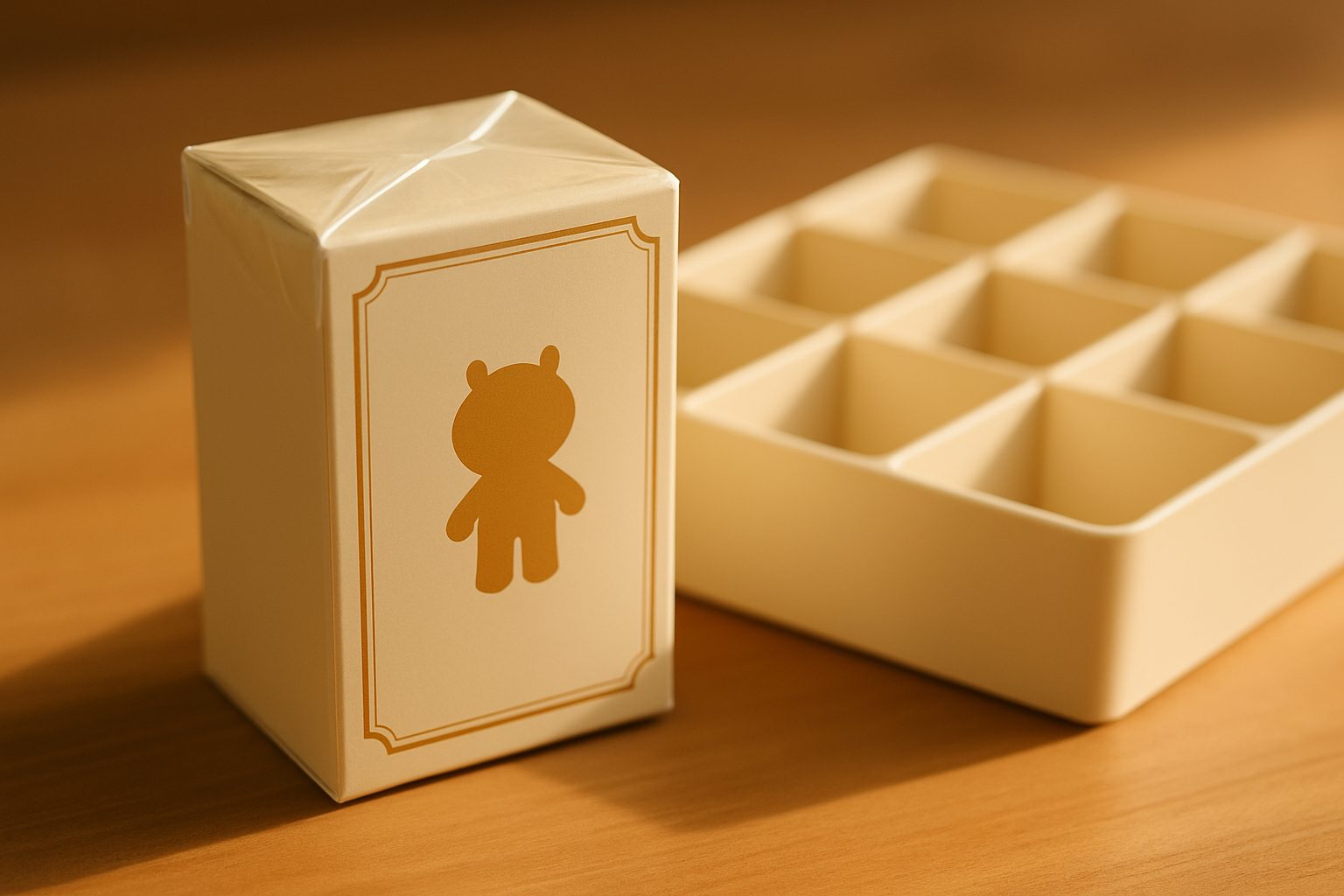
- Note packaging status. Sealed, boxed, or "NIB" (new in box) items often sell for multiples of loose ones. A sealed Labubu blind box series can be worth far more than opened figures.
- Look up SOLD listings, not active ones. Sellers can ask any price; sold data shows what buyers actually paid.
- Flag the unknowns. Anything you can't identify—odd markings, foreign packaging, limited-edition stickers—may be the most valuable piece. Set it aside for expert eyes.
Even a rough valuation tells you when an offer is fair and when someone is hoping you don't know what you have.
What are the biggest ways people get ripped off?
The most common trap is accepting a fast, unitemized lump-sum offer from someone who won't explain how they priced it. Ripoffs almost always share three traits: urgency, secrecy about individual item values, and no written breakdown. Slow down and demand transparency.
Watch for these red flags:
- "I'll give you $500 for the whole box" with no per-item accounting.
- Pressure to decide today "before the price drops."
- Buyers who discourage you from getting a second opinion.
- Vague grading claims on cards or figures with no reference to a standard.
- Cash-only strangers from marketplace apps who want to meet privately with valuable lots.
A legitimate buyer welcomes questions and gives you time. At The Toy Showroom in Upland, our cash offers are itemized and locked as 24-hour coded offers, so you can walk away, think, compare, and come back—no pressure.
Should I sell for cash or consign?
Choose cash when you want speed, simplicity, and a guaranteed amount today. Choose consignment when the collection includes rare or high-demand pieces whose full value takes time and marketing to realize. Many families split the collection and do both.
Sell for cash if you:
- Need to settle an estate quickly.
- Prefer one clean transaction over waiting weeks.
- Have common or mid-value items where the convenience is worth it.
With us, that means a transparent cash offer, paid at drop-off after we check the items. Get a cash offer here.
Consign if you:
- Own rare, sealed, or trending items—think hard-to-find Labubu secret editions or vintage sealed toys.
- Want the highest realistic return and can wait for the right buyer.
- Don't want the hassle of photography, listing, shipping, and returns.
When you consign with The Toy Showroom, you keep 60% of the net, and we handle photography, listing across eBay, Amazon, Whatnot, weekly auctions, and our showroom, plus all shipping and returns. Learn how consignment works.
How does consignment actually get me more money?
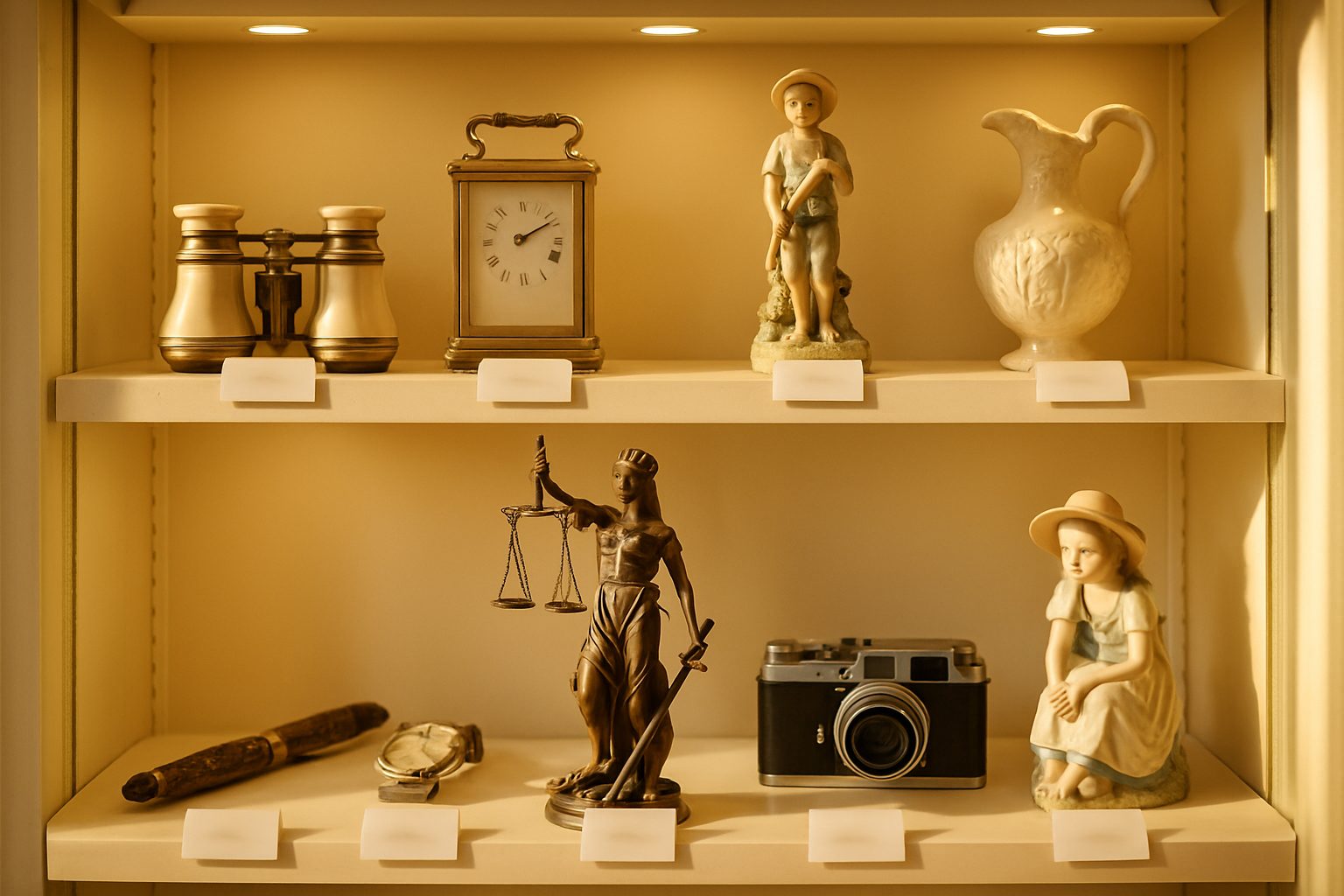
Consignment reaches more qualified buyers than a single private sale, and competitive bidding on rare items can push prices well past any quick cash offer. A specialist prices, photographs, and markets each piece to the audience most likely to pay top dollar.
The difference matters most for collectibles with volatile or rising demand. Blind box lines like Labubu can spike when a new series drops or a figure goes viral; a patient, well-marketed listing captures that peak far better than a one-time lump sum. Because we absorb the work and fees, the 60% you keep often exceeds what a fast flip would have paid you outright.
What should I do before I hand anything to a buyer?
Keep your photo inventory, get a written itemized offer, and confirm the payout terms in writing before anything leaves your possession. Never ship or drop off a collection without documentation of what you handed over and what you'll be paid.
Quick pre-sale checklist:
- Save your photos and inventory list.
- Get the offer in writing, itemized.
- Confirm payment method and timing (cash at drop-off, or consignment payout schedule).
- Ask who covers shipping, returns, and fees—reputable consignors like us cover these.
- Keep copies of everything until you're paid.
FAQ
How do I sell a deceased relative's collection quickly? Inventory and photograph it, get one or two valuations, then accept an itemized cash offer. This avoids weeks of waiting while still protecting you from lowball pricing.
Do I need a professional appraisal first? Not always. For everyday collectibles, sold-price research plus a reputable buyer's itemized offer is enough. Formal appraisals make sense for high-value or unusual pieces, or when an estate requires documented values.
Are Labubu Pop Mart blind boxes worth selling individually? Often yes. Sealed boxes and rare "secret" figures can command strong prices, so they're frequently better consigned than lumped into a bulk cash sale.
What percentage do I keep if I consign with The Toy Showroom? You keep 60% of the net sale price. We handle photography, listing across eBay, Amazon, Whatnot, and auctions, plus shipping and returns.
How do I know a cash offer is fair? A fair offer is itemized, explained, and not rushed. Our 24-hour coded offers let you compare and think before deciding—if a buyer won't give you that time, walk away.
Can I sell some items for cash and consign others? Absolutely. Many families take a cash offer on common items and consign the rare, high-demand pieces to maximize total return.