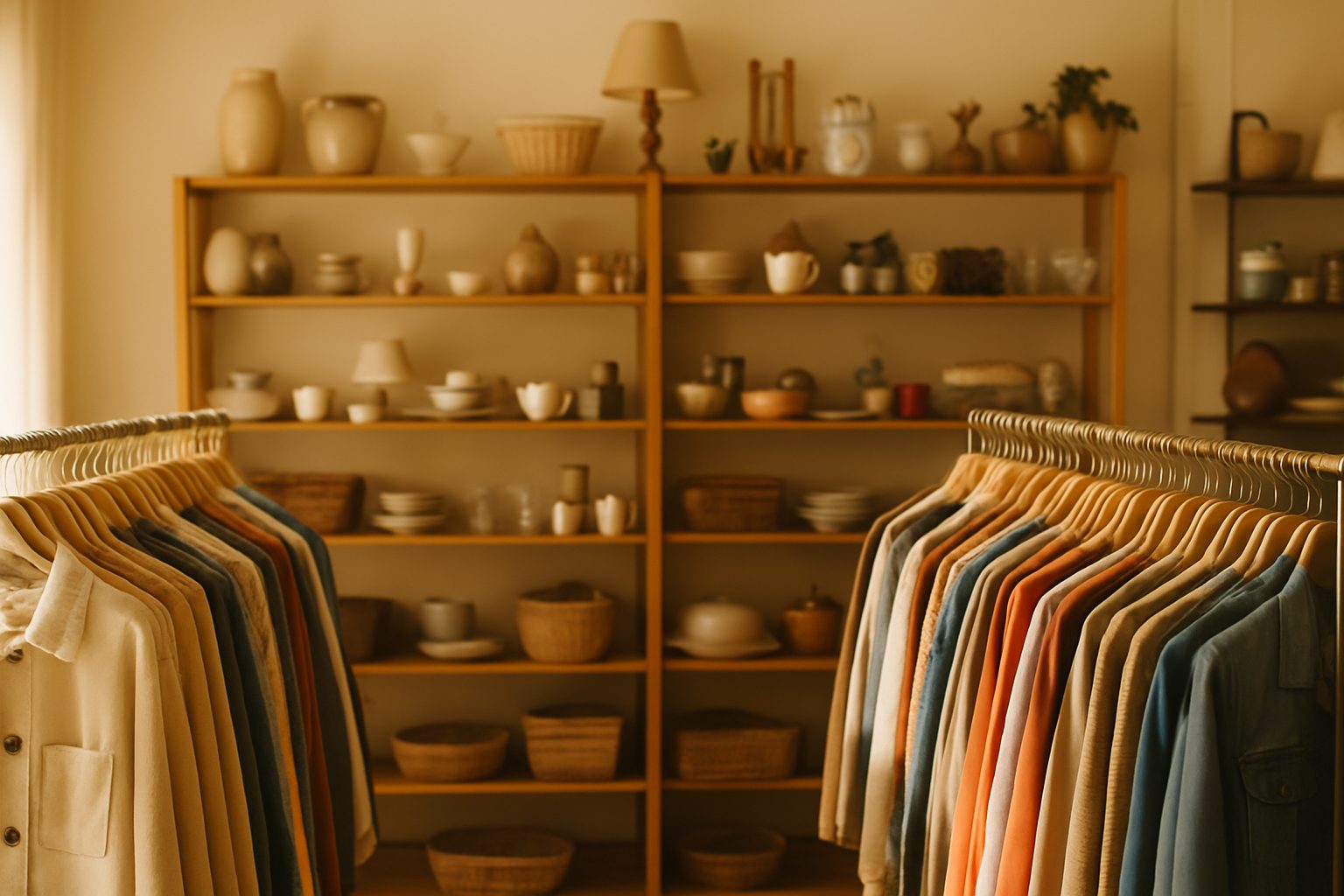
Thrift store flipping is one of the lowest-barrier ways to make real money: buy underpriced items for a few dollars, resell them for many times more. But the people who actually profit aren't browsing randomly. They know exactly which sections to hit, which brand tags signal money, how to spot defects before they buy, and how to price for a quick sale. Here's the field-tested playbook.
Which Sections Actually Hold the Gems
Not every aisle is worth your time. Spend your minutes where the margins live.
- Clothing (especially men's and outerwear): The highest-velocity category for most flippers. Vintage tees, denim, flannels, leather jackets, and activewear move fast.
- Shoes: Sneakers and designer footwear are routinely underpriced because staff can't price what they don't recognize.
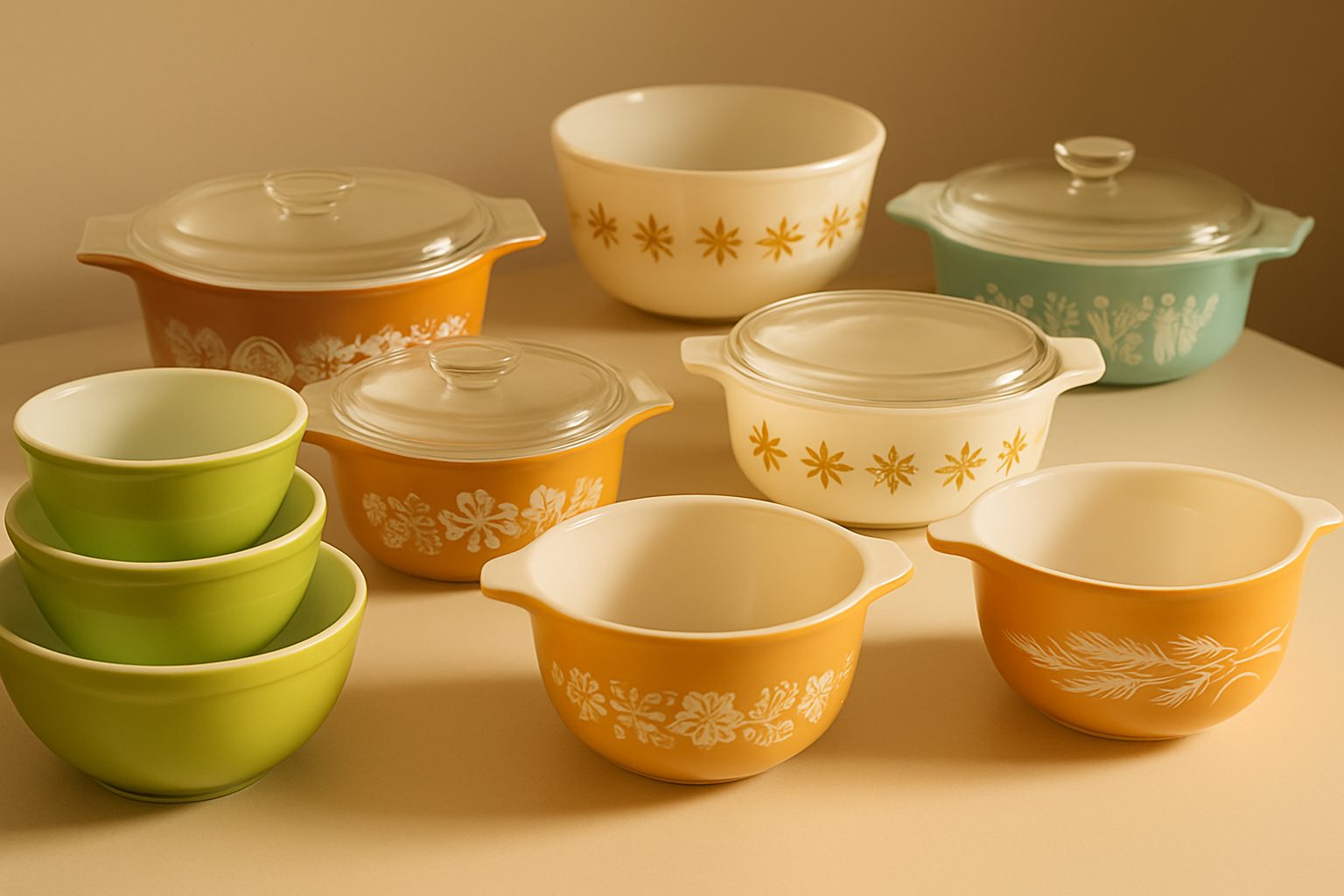
- Housewares and glassware: Pyrex, CorningWare, cast iron, and vintage barware quietly sell for strong money.
- Electronics and media: Working game consoles, retro games, vintage stereo gear, and niche vinyl can be sleepers.
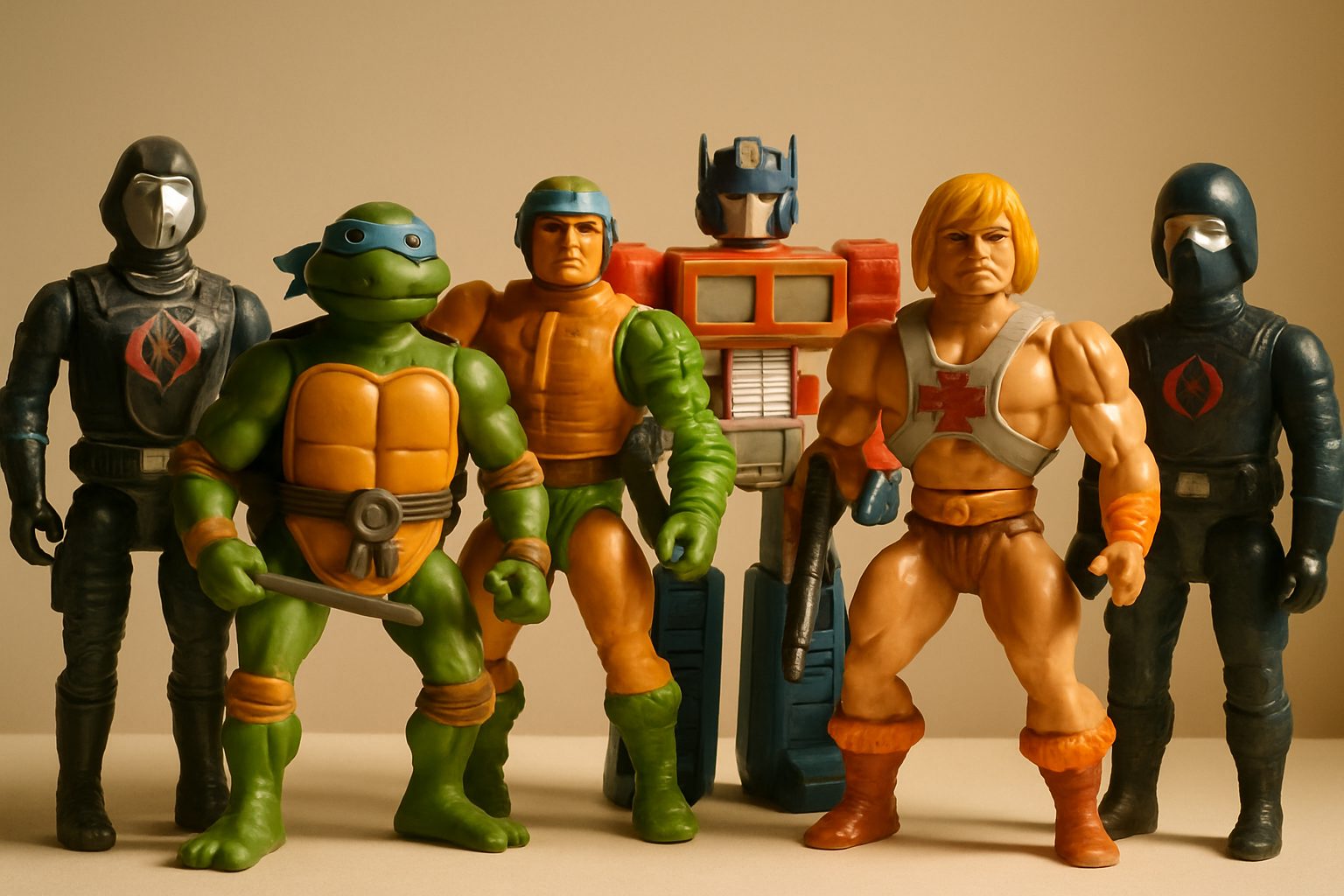
- Toys and collectibles: Action figures, LEGO sets, Funko, and vintage toys are a personal favorite category at our showroom, and one of the most consistently overlooked.
- Books: Skip mass-market paperbacks. Look for textbooks, technical manuals, and niche nonfiction.
A Faster Way to Scan a Rack
Don't read every tag. Train your eyes and hands instead:
- Feel for fabric weight. Quality wool, heavy cotton, and real leather have a heft synthetics don't.
- Look for union and country-of-origin tags. "Made in USA," "Made in Japan," or old union labels often signal vintage value.
- Scan colors and patterns from a distance. Bold vintage prints and single-stitch tees stand out before you even touch them.
Brand Tags Worth Grabbing
Memorize a working list. Speed is your edge, and recognition is speed.
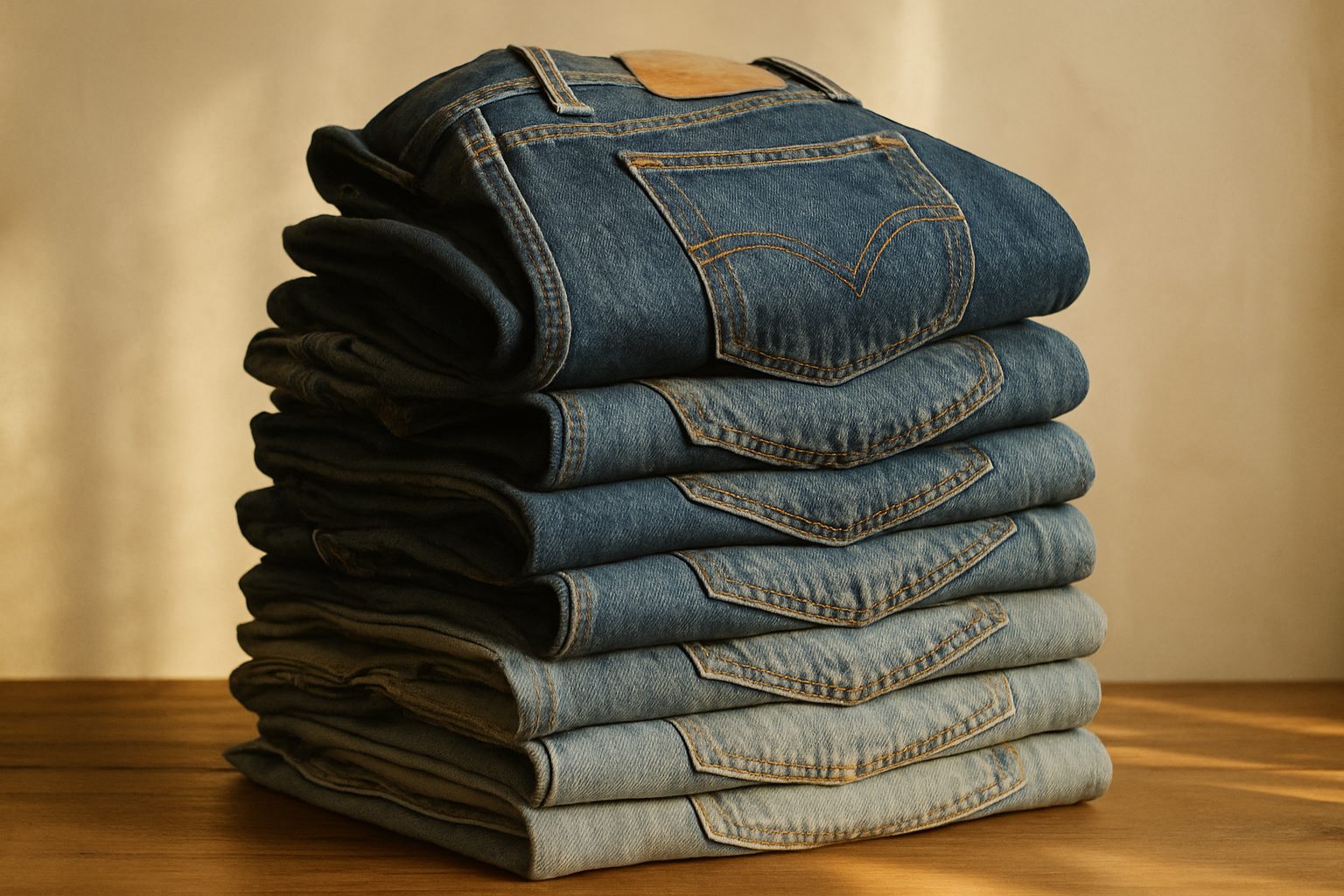
- Vintage and streetwear: Carhartt, Levi's (especially Big E or selvedge), Patagonia, The North Face, Harley-Davidson, vintage band and sports tees.
- Denim and workwear: Wrangler vintage, Dickies, Filson, Pendleton wool.
- Designer and contemporary: Coach, Ralph Lauren / Polo, Lululemon, Free People, Eileen Fisher, Tory Burch, Coogi.
- Footwear: Nike, Jordan, New Balance (especially Made in USA/UK), Dr. Martens, Red Wing.
- Housewares: Pyrex (Vintage), Le Creuset, Griswold and Wagner cast iron, Fiestaware.
Tip: when you spot an unfamiliar brand that looks well-made, snap a photo and check sold listings before you decide. The "feels expensive but I don't know it" pile is where a lot of profit hides.
Condition Checks Before You Buy
A great brand at a great price is worthless if it has a flaw you missed. Buying smells and stains kills your margin and your reviews. Run this checklist every time.
Clothing
- Pits and collar: Check for yellowing, staining, and deodorant buildup.
- Holes and moth damage: Hold thin garments up to the light. Inspect knits closely.
- Smells: Smoke and mildew are deal-breakers; many won't wash out.
- Hardware: Test zippers fully, count buttons, check snaps.
- Pilling and stretching: Common on knits and activewear.
Shoes, Electronics, and Hard Goods
- Soles and uppers: Look for sole separation, dry rot, and creasing.
- Power on everything: If you can test electronics, do it. Listen for rattles.
- Cracks and chips: Run a finger around glassware rims and ceramic edges.
- Completeness: Missing pieces tank value, especially for toys, games, and sets.
How to Price for a Fast Resale
The goal isn't the highest theoretical price. It's the best price that actually sells within your timeframe.
- Check sold listings, not active ones. On eBay, filter by "Sold" to see what buyers truly paid. Active listings are wishful thinking.
- Price near the realistic median. Undercut slightly if you want speed; hold firm if the item is rare.
- Subtract your costs. Platform fees (often 10-15%), shipping, and supplies eat 20-30% or more. Price with that baked in.
- Aim for a real multiple. Many flippers target at least a 3-5x return on cost to make the effort worthwhile after fees.
- Bundle slow movers. Pair a weak item with a strong one to clear inventory.
A Quick Margin Example
Buy a Patagonia fleece for $6, sell for $55. After ~$11 in fees and $8 shipping, you net around $30 on a $6 item. Do that a dozen times a week and the math compounds fast.
The Part Nobody Tells You About
Sourcing is the fun part. Selling is the grind. Once you have a pile of finds, the real work begins: photographing, writing listings, answering buyer questions at 11pm, dealing with no-shows and lowballers on local apps, packing, shipping, handling returns, and eating the occasional chargeback. Many promising side hustles stall right here, with bins of good inventory and no time to list it.
That's the gap we fill at Kali.J Design (DBA The Toy Showroom) in Upland, CA. If you'd rather skip the hassle entirely, we offer two simple paths:
- Outright cash buyout: Submit photos for a free evaluation and get a cash offer; once you accept it, we arrange your drop-off and pay you at drop-off after checking the items. No listings.
- Consignment: We sell it for you and you keep 60% of the net. We list and move your items across eBay, Amazon, Walmart, Poshmark, Depop, Mercari, Whatnot live sales, weekly online auctions, and our Upland Toy Showroom, handling the photography, buyer questions, shipping, and returns for you.
It's a natural fit whether you're a flipper sitting on backlog, or simply someone with valuable stuff and no time to deal with it.
FAQ
What sells fastest for beginners?
Brand-name clothing and shoes. They're easy to source, easy to ship, and have deep buyer demand. Start with a short list of recognizable brands and expand as you learn the sold-listing data.
How much money do I need to start?
Very little. Many flippers start with $20-50 and reinvest profits. The bigger investment is time spent learning brands, condition checks, and pricing.
Is it better to sell items myself or consign them?
If you enjoy the process and have time, selling yourself keeps more per item. If you're busy, sitting on backlog, or hate the customer-service side, consignment or an outright buyout often nets you more overall because the items actually get sold instead of gathering dust.
How do I know what something is worth?
Always check completed and sold listings, never active asking prices. When in doubt, photograph the item and look up the brand plus model or style before committing.
Whether you're a seasoned flipper with overflow inventory or someone who just cleaned out a closet full of brand names, you don't have to do the selling grind alone. Submit photos for a free evaluation at sell.kalijdesign.com/sell, and we'll tell you what it's worth. Take a cash offer, or consign it while we handle everything else.