Showroom visits: Tuesdays and Wednesdays only, 2–6 PM Pacific
Appointments required; no walk-ins. Complete your photo submission online first. After we approve your collection and send you an offer or consignment plan, accept the terms; then you will receive the private Cal.com drop-off scheduling step. Do not visit without a confirmed appointment.
What this means for your offer
Clear, identifying photos are your responsibility, and they are what make an accurate number possible. We research every item against verified sold results, and we can only do that for items we can positively identify.
If the photos of something don’t show enough to identify or grade it, we will not guess a value for it. We hold that part of the quote and text or email you for the exact view we still need. Nothing on this page is a promise of a valuation or a price.
Most pictures below are simple drawings made to show framing and layout. They are diagrams, not photographs, and none of them shows an item belonging to a real customer. Four panels — in the five shots, the group section and the bulk section — are AI-generated instructional illustrations: photorealistic, but still not photographs of a submitted item, and each one is labelled as such underneath. The category examples further down also include real reference panels from our own inventory — each one is captioned with what it actually is.
Start here
The three jobs every photo has to do
Before anything else: wipe your camera lens, use bright even light, and let the item fill most of the frame. Then make sure your photos answer three questions.
-
Job 1 What is it? The maker, the character, the set, the model. One item filling the frame, shot straight on.
-
Job 2 Which exact one is it? The number that separates it from a hundred lookalikes: card or issue number, model or style number, year, scale, barcode, serial, grading label.
-
Job 3 What condition is it in? Every chip, stain, tear, bend, missing piece or crushed box, up close. Flaws we can see get priced honestly; flaws we find later change the offer.
-
Also Leave sealed things sealed Never open, clean, polish or re-tape anything for our benefit. Sealed and original almost always prices higher than opened.
- Don’t shoot through glass, plastic bins or display cases if you can lift the item out safely.
- Don’t use a flash straight at a glossy surface — turn sideways, or use window light instead.
- Don’t crop off the tag, the number or the edge of the box. The part you cut off is often the part we need.
One item
The five shots
For a single item — or for anything in a collection you think is the most valuable — take these five. They take about a minute and they are the difference between a researched number and a held quote.
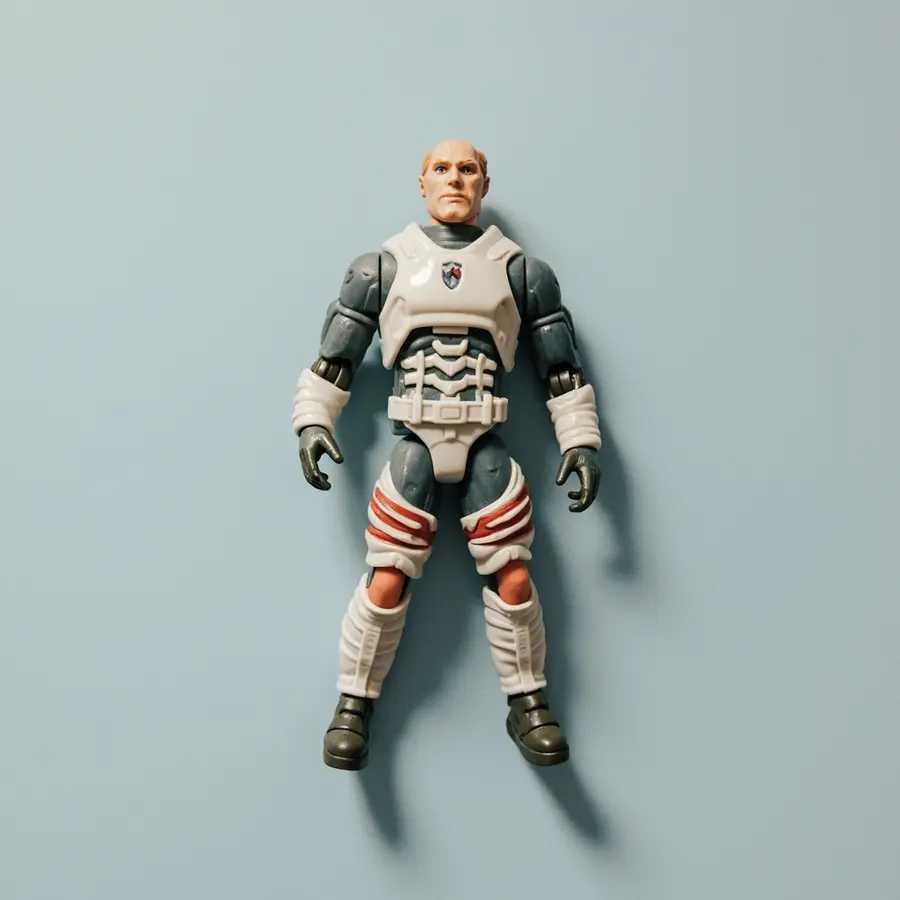
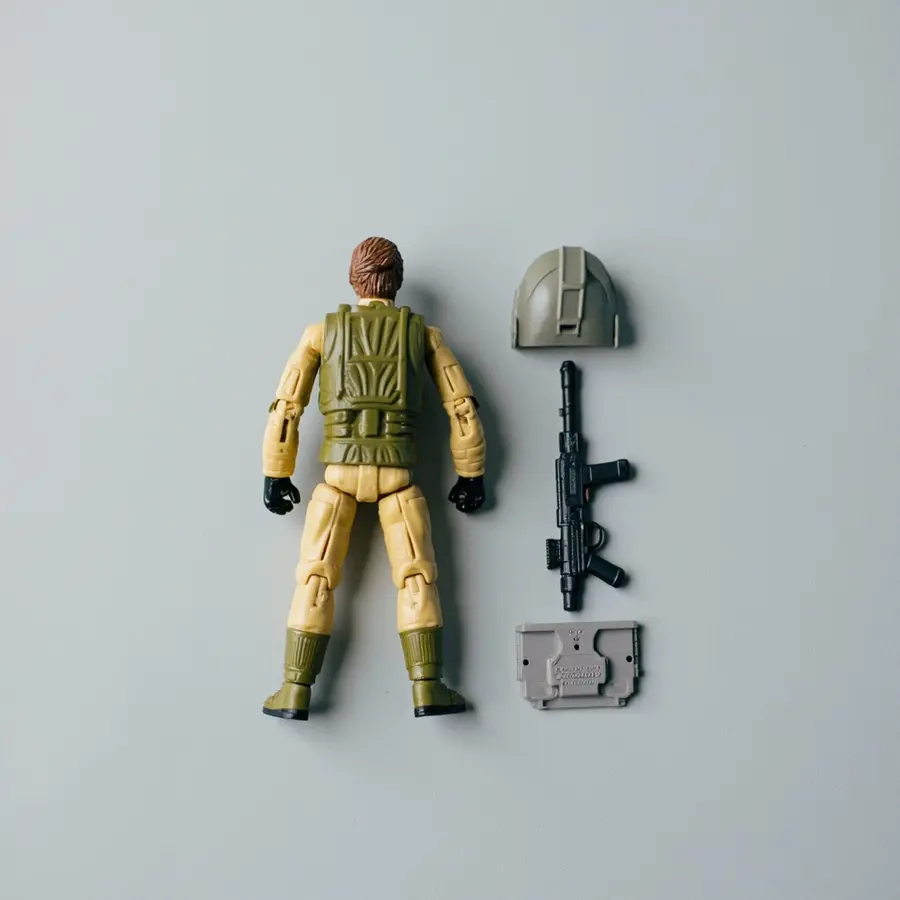
These realistic examples demonstrate framing and organization. They are simulated products, not actual items being appraised.
-
Shot 1FrontStraight on, whole item in frame, nothing covering it.
-
Shot 2BackThe same item turned over. Often where the name and year are printed.
-
Shot 3Base or bottomThe stamp, mold mark, foundry mark or date stamp underneath.
-
Shot 4Labels & numbersBrand tag, size tag, SKU, card number, scale, barcode or grading slab label — close enough to read.
-
Shot 5ConditionOne photo per flaw, up close. If there is genuinely no damage, say so in the form.
- Five photos per item is plenty. More angles of the same side don’t help.
- A different item always helps more than a sixth photo of one you already covered.
- Shoot on a plain surface — a table, a towel, a sheet of paper. A busy carpet hides edges.
Shot 4, for your kind of thing
“Labels & numbers” means something different for a comic than it does for a ring. This is the one number that separates your item from every lookalike, and where it is usually printed.
| If you have | The detail that identifies it | Usually found |
|---|---|---|
| Action figures | Assortment or product number, year | Back of the card, or stamped on the figure’s back or leg |
| Die-cast | Casting name, series number, year | Front and back of the card; the base of the car |
| Trading cards | Card number, set name or code, year | Bottom border of the front; the back |
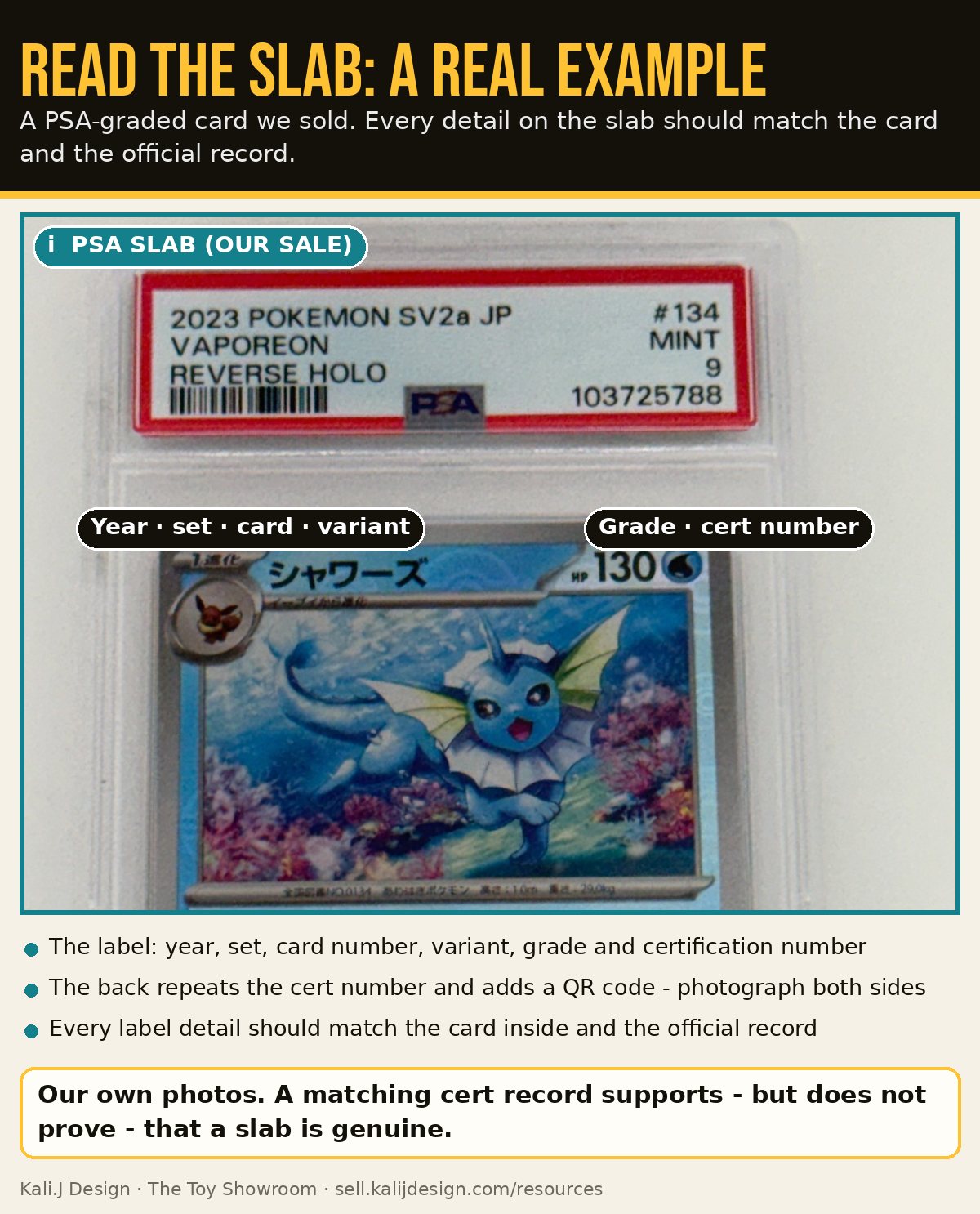
| Graded cards | Grade and certification number | The slab label — photograph front and back |
| Comics | Issue number, month and year, cover price | Cover corner box; the indicia inside the front page |
| Video games & media | Platform, region code, barcode | Spine and back of the case; the cartridge or disc face |
| Electronics | Model number and serial number | The label plate on the back or underside |
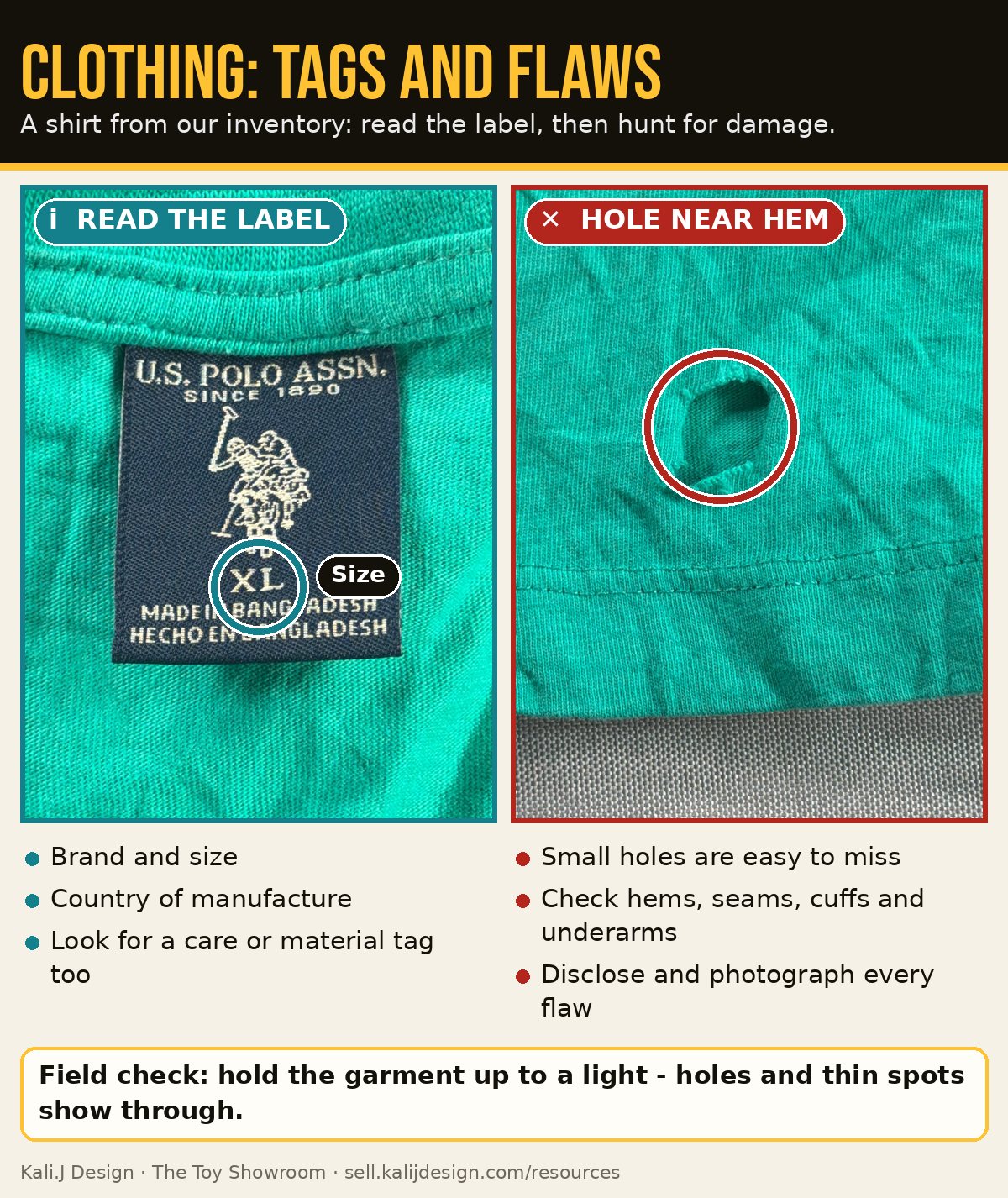
| Clothing | Brand, size, style code, RN number | Neck tag, and the tag in the inner side seam |
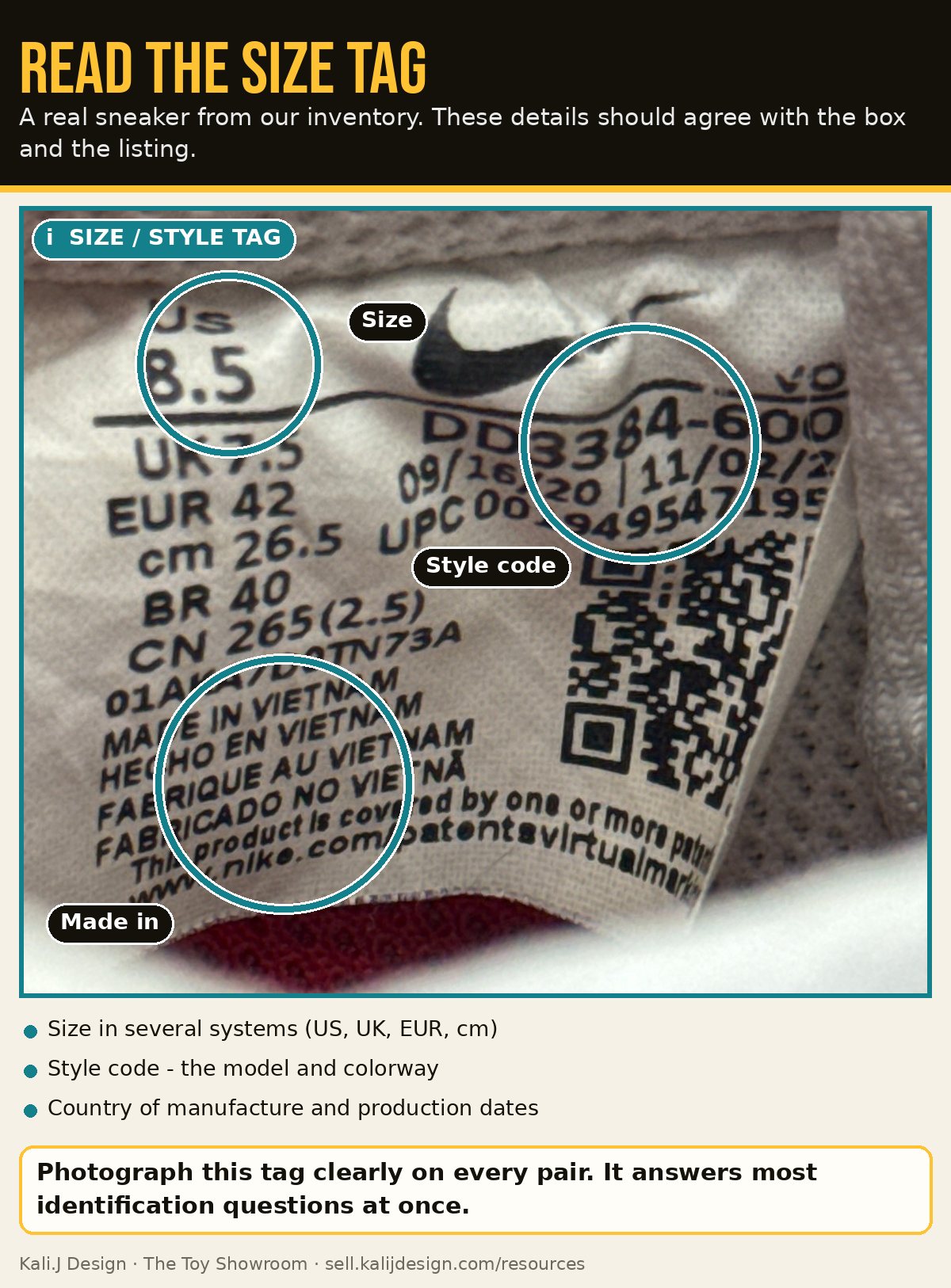
| Shoes | Size, style code, production date | The tongue label, and the end label on the box |
| Jewelry & watches | Metal hallmark, maker’s mark, reference number | Inside the band or clasp; the caseback |
| Pottery, glass, cast iron | Maker’s mark, mold or pattern number | The underside |
| Anything sealed | Barcode and any printed edition line | Through the wrap — leave it sealed |
Not sure which number is the right one? Photograph every printed marking you can find and let us pick. The category examples below show what each of these looks like in practice.
A group or lot
Organize, then count
Selling a lot of similar things together? Lay them out in a grid with gaps, nothing overlapping, and photograph one group per photo. Then write the group down with its count.
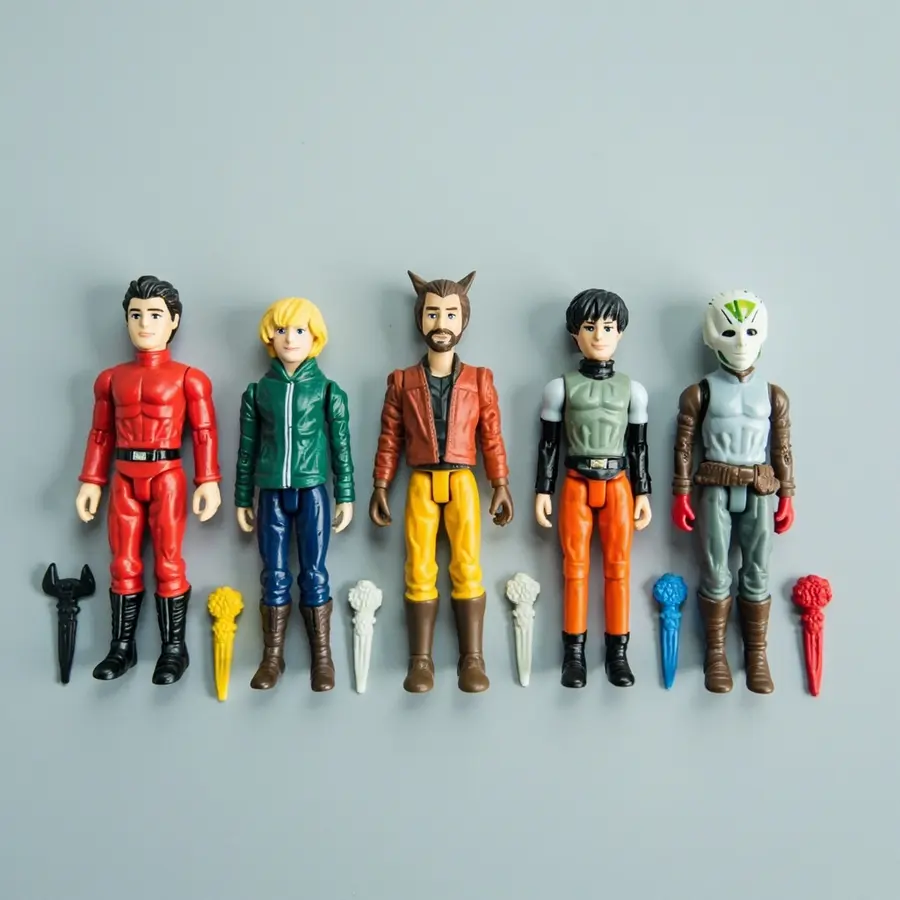
Then write the itemized list
A photo shows us what things are. Only your list tells us how many. Number your groups in the photos and use the same numbers in the list.
| Group | What it is | How many |
|---|---|---|
| Group 1 | Hot Wheels, loose, 1990s mainline | 12 |
| Group 2 | Loose action figures, mixed brands | 6 |
| Group 3 | Boyds Bears, still tagged | 9 |
| Group 4 | Sports cards, 1989–1992, in sleeves | about 200 |
| Group 5 | Sealed Barbie, 1990s, boxes intact | 3 |
- One photo per group, and the group number written in your list.
- Anything you believe is the most valuable gets the five shots on its own — never only a group photo.
- “About” and “roughly” are fine. An honest estimate you give us is usable; a number we invent is not.
10 or more items
A bulk collection: overview and group counts
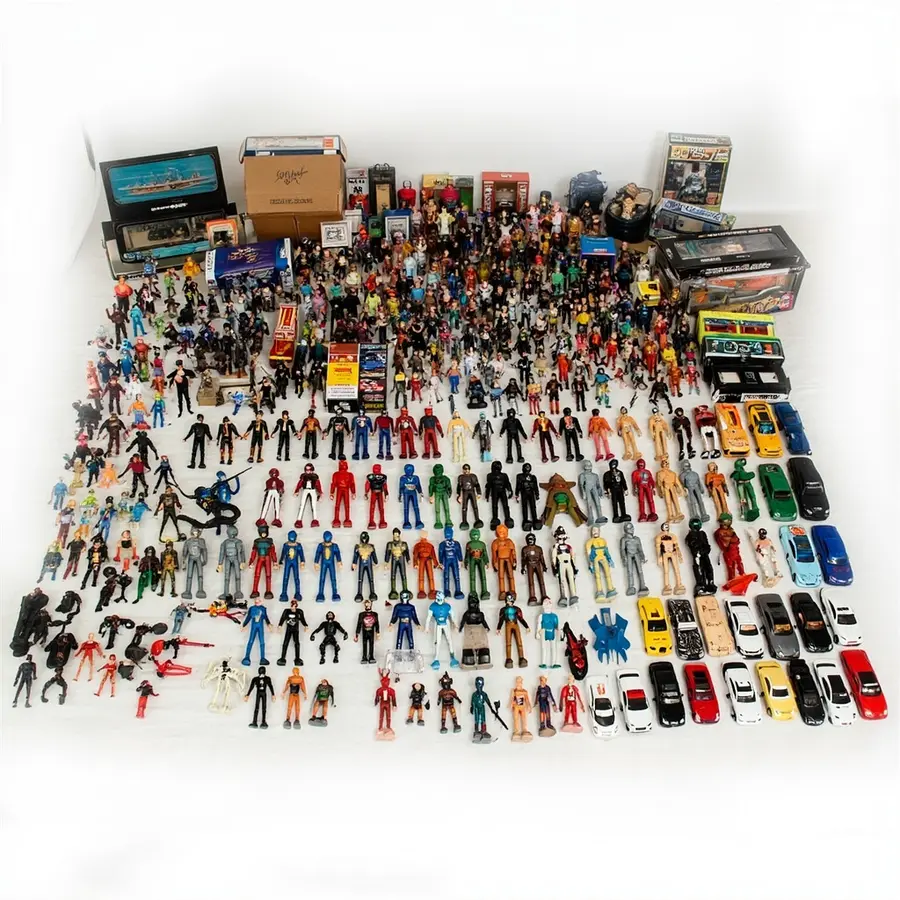
You do not need one photo per item for a big collection. Work from the outside in, in four passes.
We never assume a count
Two things are routinely confused, so to be explicit: the number of photos you send is not the number of items you have, and we never treat it as such. Fifty photos of a forty-piece collection is normal and expected.
The count we work from is the one you type — your group counts and your rough total, in your own words. If you don’t know, say you don’t know or give a range. We won’t fill it in for you, and we won’t quote a per-item price against a count nobody verified.
- Boxes and bins still packed? Photograph them closed, then open, then the layers as you unpack — and tell us how many bins there are.
- Groups too big to lay out at once? Do it in batches and number them (Group 4a, 4b).
- More than 100 photos, or files too large? Send them in two goes, or paste a link to an album in the form.
Before & after
Good vs. hard-to-value photos
These are the four problems we see most often, each paired with the fix. Every pair is the same imaginary item photographed two ways.
1. Distance
The fix: step in until the item touches the edges of the frame. Zoom with your feet, not the pinch gesture.
2. Glare
The fix: flash off. Turn the item 20–30° away from the light, or shoot beside a window in daylight.
3. Focus
The fix: wipe the lens, tap the screen on the label to focus, then hold still for a beat. If you can’t read it on your own phone, neither can we.
4. Overlap
The fix: clear a flat surface and spread the group out in rows. If it won’t fit, photograph it in two batches rather than stacking it.
Your kind of thing
Examples by category
Open the ones that match what you have. Each is the shortlist of what we have to be able to see — and, where we have one, a reference panel showing what that looks like close up.
About these pictures
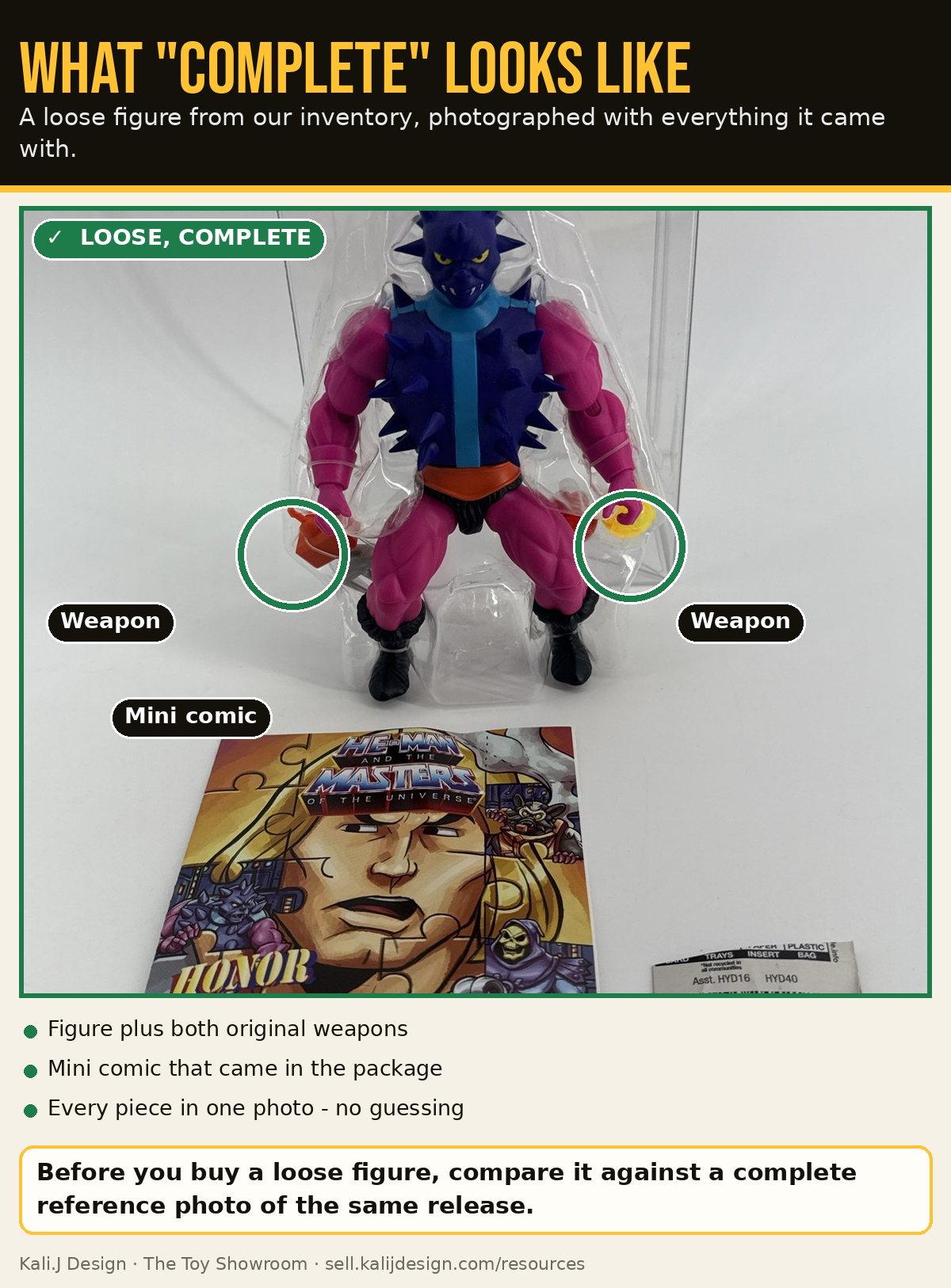
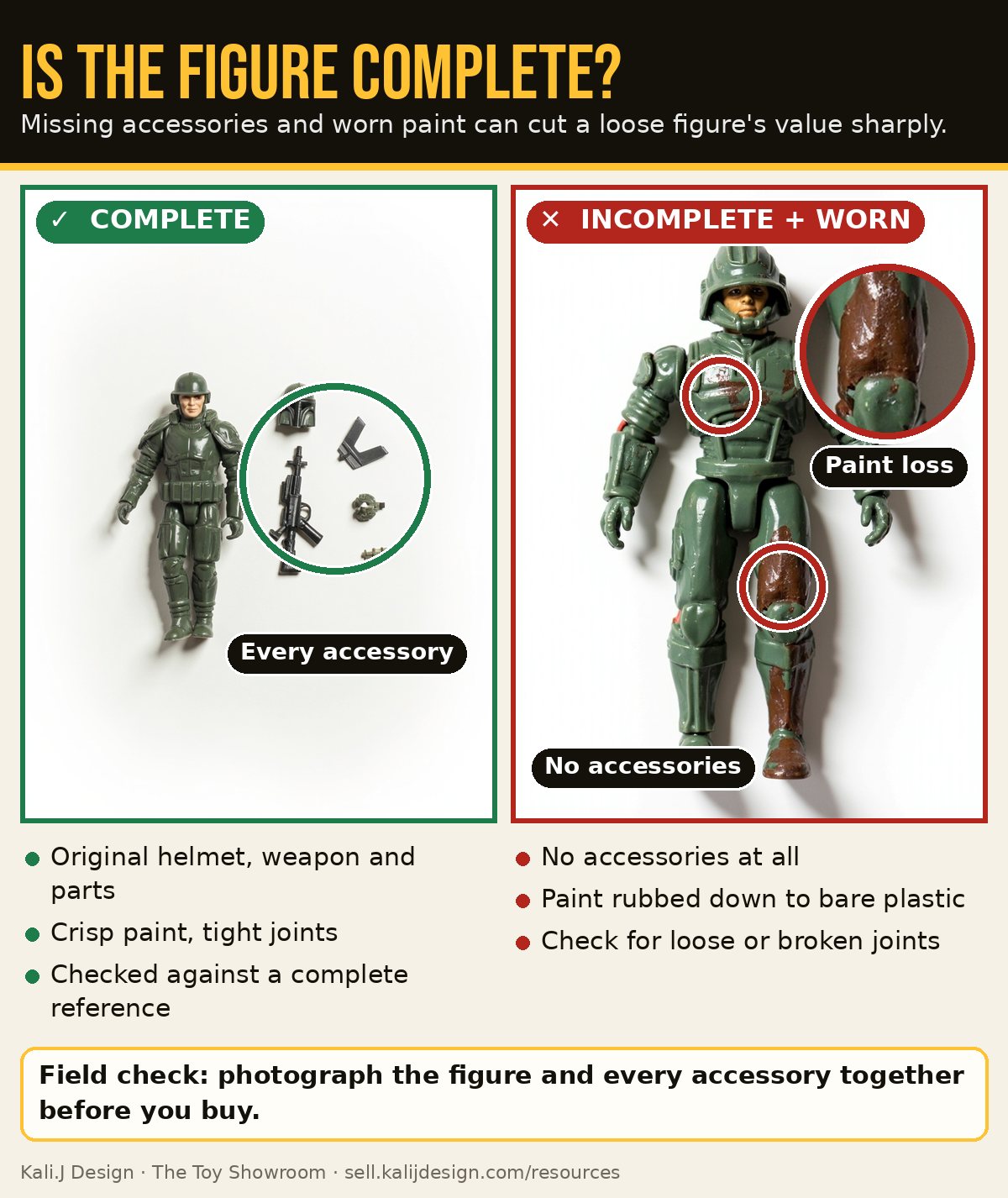
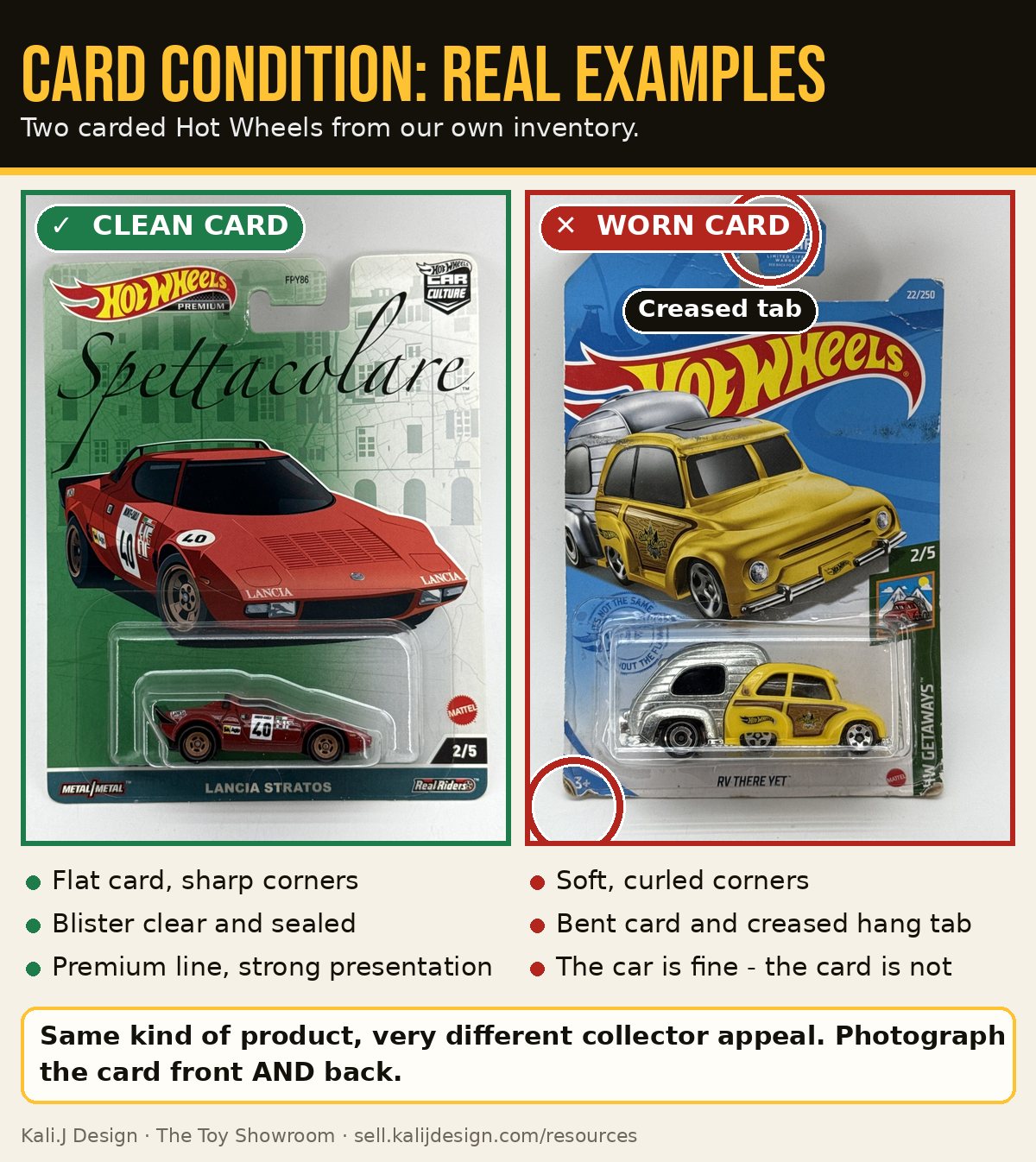
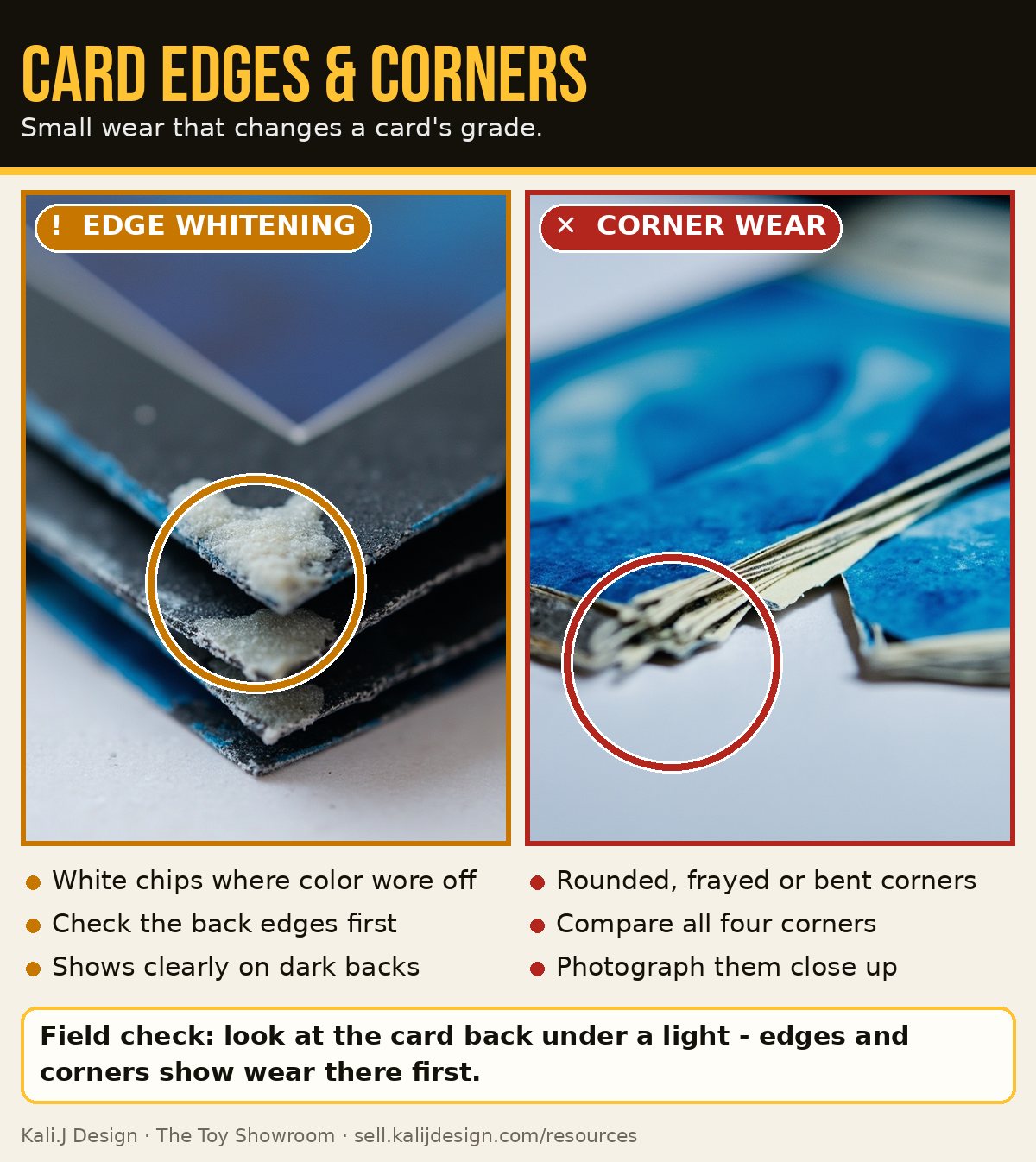
The panels below are our own reference images: photographs of stock Kali.J Design has owned and sold, or instructional illustrations we had made. Each one says which it is. None of them is a photograph of an item belonging to a customer, and none of them is an example of a valuation.
Action figures Loose, with everything it came with
- Lay the figure flat with every accessory in the same frame — weapons, helmet, cape, stand, mini comic.
- A figure missing one weapon is a different item to us than a complete one, so show the gap rather than leaving it ambiguous.
- Photograph the stamp on the back or the leg: that is usually the maker and the year.
- Close up on joint stress marks, paint rub on raised details, and any yellowing.
Action figures Incomplete, worn or played with
- Missing accessories and worn paint do not disqualify anything. They only have to be visible.
- Shoot the worn areas straight on and close — knees, chest, shoulders and any bare plastic.
- Work a joint gently and tell us in the form if it is loose or will not hold a pose.
- If the battery compartment has ever had batteries in it, open it and photograph inside.
Die-cast Hot Wheels, Matchbox, 1:18 and scale models
- For carded cars, the card is most of the value. Photograph it flat, front and back, with no fingers over the corners.
- Show the hang tab and all four corners — a crease or a curl there changes the grade.
- Tilt the blister towards a light so dents, cracks and yellowing actually show up.
- Loose cars: the base, which carries the casting name and the year.
Cards Raw trading & sports cards
- Front and back of every card you are photographing individually — the back is where wear shows first.
- Get the card number and set line along the bottom border close enough to read.
- Hold the card under a light and tilt it: surface scratches and print lines are invisible straight on.
- Bulk cards in sleeves, boxes or binders? Don’t photograph them one by one — use the bulk passes and give counts.
Cards Graded & slabbed cards
- One straight-on photo of the label, readable without zooming. That alone identifies the card.
- Photograph the back of the slab too — it repeats the certification number and usually carries a barcode.
- Angle slightly to kill the reflection; a slab shot with a window reflected across the label tells us nothing.
- Do not crack, clean or re-case a slab. Ever.
Comics Single issues, runs and boxes
- Cover straight on, flat, whole — including the corner box with the issue number and the cover price.
- The indicia: the small print block inside the front page that gives the exact month and year.
- The spine, along its length. Spine ticks and a rolled spine are the usual grade-setters.
- Whole long boxes? Photograph the box, then a fanned section, then count the boxes — not every issue.
We don’t have a photographic reference panel for comics yet. The picture above is a drawing of ours, not a photo of anyone’s comic. Shoot the corner box, the indicia and the spine and we will work from that.
Clothing Vintage tees, jackets, denim
- The neck tag and the inner side-seam tag, close and flat. Brand, size and the style or RN number live there.
- The whole garment laid flat, front and back, with the graphic fully visible and not folded.
- Hold it up to a light before you shoot: pinholes and thin spots show through and are easy to miss otherwise.
- Every stain, hole, tear and cracked print gets its own close-up. Shoot the flaw, not around it.
Shoes Sneakers and boots
- The size tag on the tongue, straight on and in focus. It carries the size, the style code and the production date.
- Both shoes together, plus the outsoles — tread wear is most of the condition story.
- The heel and the toe box, where drag and creasing show first.
- Have the box? Photograph the end label; it should agree with the tongue tag.
Media Video games, discs, cartridges
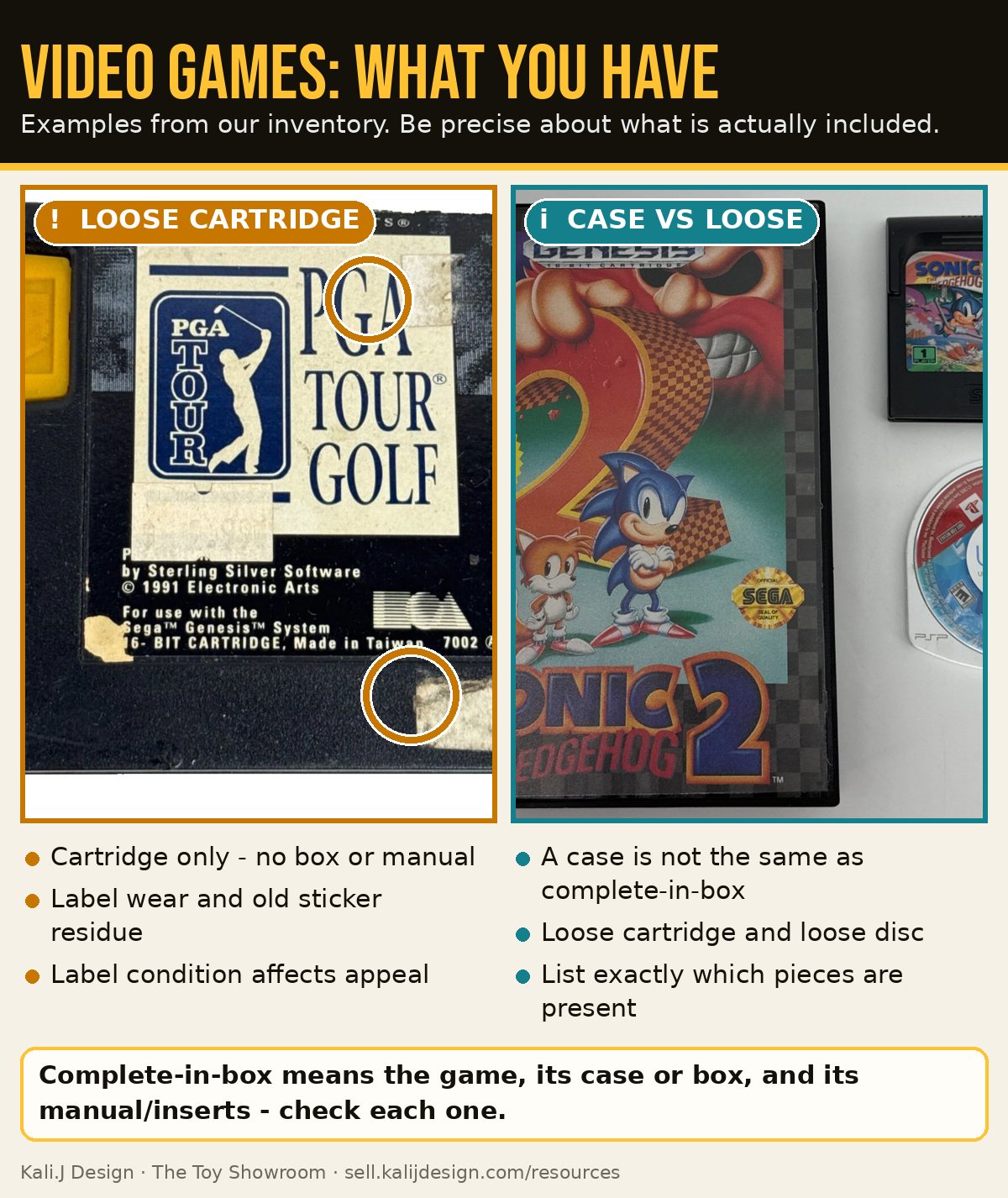
- Be precise about what is actually there: a case is not the same as complete-in-box.
- Photograph the game, the case or box, and the manual and inserts — together, in one frame, so nothing is assumed.
- Cartridges: the label straight on, and the contacts at the bottom edge.
- Discs: the play side under a light, tilted, so scratches actually read.
Sealed Still factory-sealed or carded
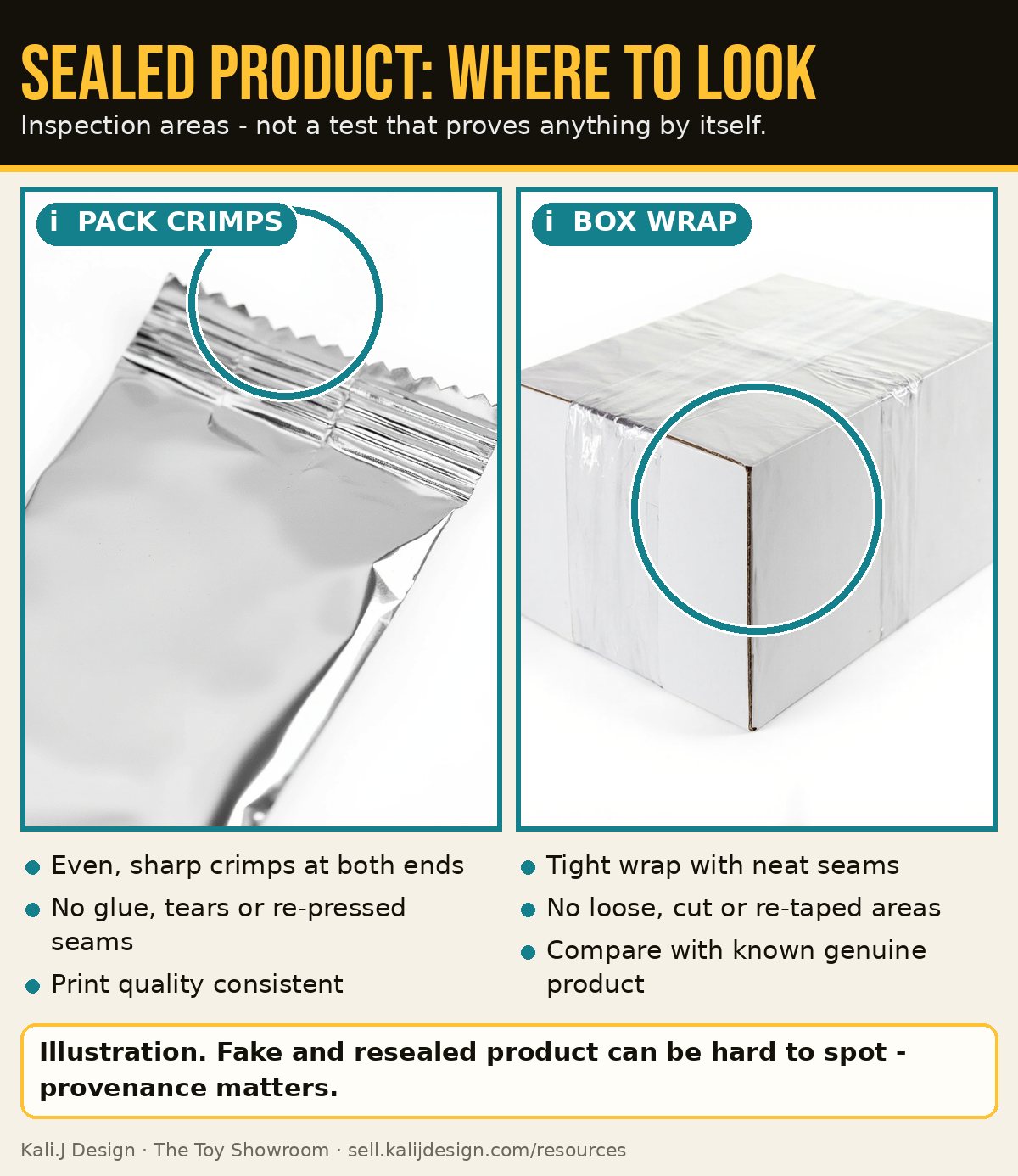
- Leave it sealed. Opening it to photograph the contents almost always lowers what it is worth.
- Shoot through the wrap. Angle away from your light source instead of opening anything.
- Photograph the seams, the crimps and the wrap edges — that is where condition and originality are judged.
- Any barcode or printed edition line, close enough to read through the plastic.
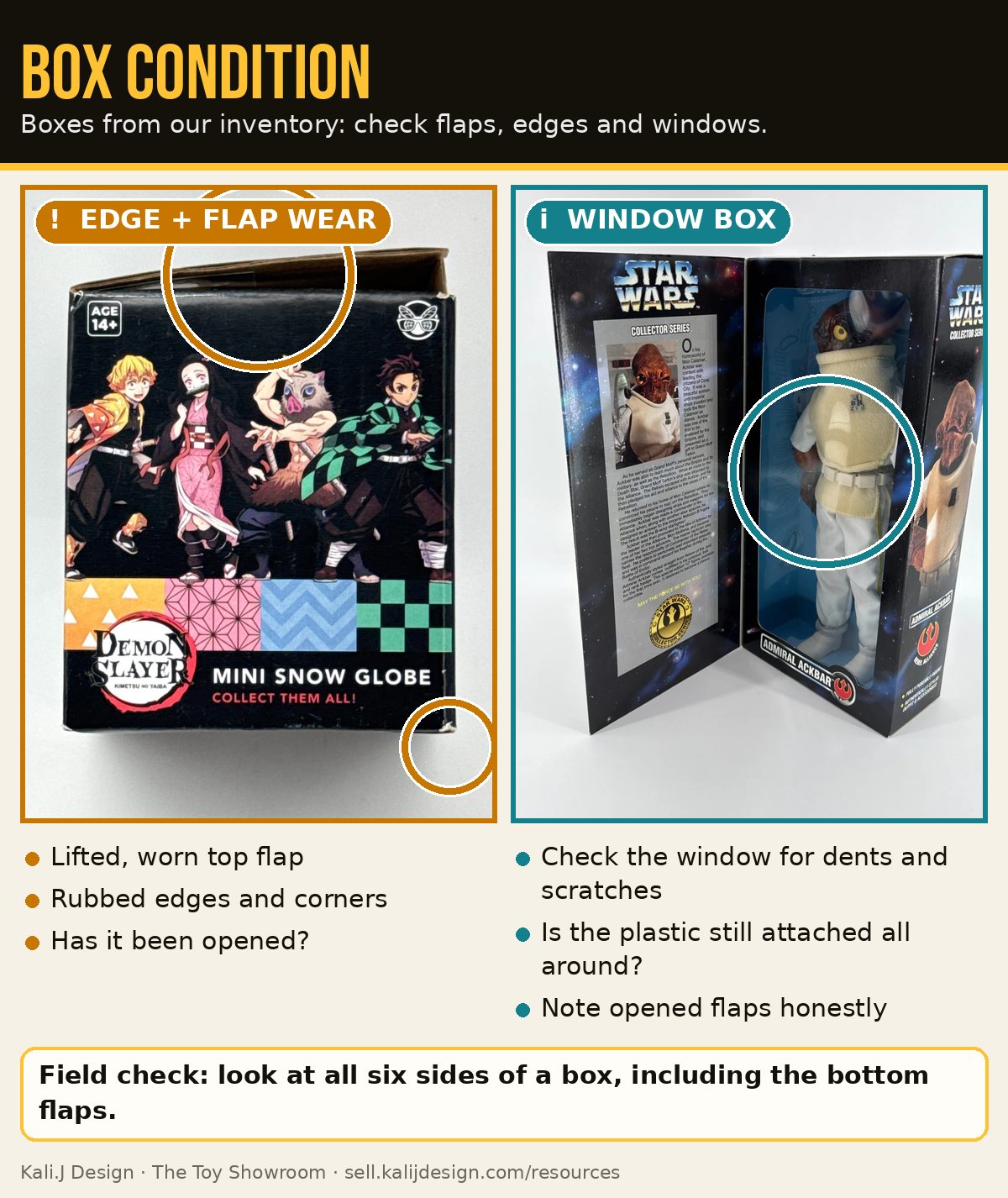
Boxed Anything that came in a box
- All six sides, including the bottom flaps. Wear hides on the side you did not shoot.
- Window boxes: tilt towards the light so scratches and dents in the clear plastic show.
- Say plainly whether it has been opened, and photograph the flaps either way.
- Keep the original box even if it is damaged — a worn box is still worth more than no box.
Electronics Consoles, cameras, audio, handhelds
- The label plate on the back or underside: model number and serial number, straight on and readable.
- Open every battery compartment and photograph inside. Corrosion there is the single most common value-killer.
- Photograph what it comes with — cables, power supply, remote, lenses, straps, manuals — all in one frame.
- If it powers on, photograph it switched on. If you have not tested it, say so rather than guessing.
We don’t have a photographic reference panel for electronics yet. The picture above is a drawing of ours, not a photo of a real device. Model plate plus battery compartment plus accessories is the shortlist.
Jewelry Rings, chains, watches
- The hallmark — the tiny stamp inside a ring band, on a clasp, or on a caseback. It is often the only proof of the metal.
- Put a ruler or a coin in the frame for scale. Size is almost impossible to judge from a photo otherwise.
- Watches: the dial straight on, the caseback, and the reference and serial numbers.
- Do not polish anything. Polishing removes material and routinely lowers what a piece is worth.
We don’t have a photographic reference panel for jewelry yet. The picture above is a drawing of ours. If the stamp is too small for your phone to focus on, photograph it anyway and say so in the form — we will look at it in person.
Small group A handful of similar things
- Up to about ten similar items go in one photo — laid out in a row or a grid, with a gap around each one.
- Nothing overlapping, nothing stacked, everything face up.
- Give the group a number and use that same number in your list.
- Anything in the group you think is the best piece still gets the five shots on its own.
Drawn layout, not a photograph. There is a fuller walkthrough in Organize, then count.
Bulk A whole collection, bins or a storage unit
Don’t photograph a big collection item by item — it is not expected and it is not what helps. Work in four passes instead: wide shots of the whole thing, then one photo per category group with its count, then a close-up of each unique piece, then the five shots for the few you think are worth the most.
- Still packed in bins? Photograph them closed, then open, then the layers — and tell us how many bins there are.
- The counts come from your typed list, never from how many photos arrive.
- Full walkthrough and the four-pass diagram: A bulk collection.
In your own words
Your quantity list — copy this template
One line per group: how many, then what it is, then anything that narrows it down. Paste it into the Bulk collection box on the seller form, or text it to us.
12 Hot Wheels, loose, 1990s mainline
6 loose action figures, mixed brands
9 Boyds Bears, still tagged
about 200 sports cards, 1989-1992, in sleeves
3 sealed Barbie dolls, 1990s, boxes intact
1 cast iron doorstop, marked "No. 4471"

Rough total: about 230 pieces
Not sure about: 2 bins in the garage, unopened
A worked example with made-up numbers. Replace every line with your own — your counts, your items.
- Numbers first. “12 Hot Wheels” is usable. “Some Hot Wheels” is not.
- One line per group. Commas inside a line describe one group, they don’t start a new one.
- Estimates are welcome — write “about 200” or “150–250”. Say plainly what you haven’t counted yet.
- Give a rough total too. It tells us whether this is a counter visit or a pickup.
- Match the photo numbers to the list order, so every line has a picture and every picture has a line.
What happens after you send it
We research the identifiable items against verified sold results and build the offer from those. For anything the photos can’t identify or grade, we pause that part and contact you for the specific view we need — your reply attaches to the same submission and reference code, so nothing gets lost and nothing is sent twice.
An evaluation is never guaranteed on evidence that doesn’t support one. We would rather ask you for one more photo than put a number in front of you that we can’t stand behind.
Seller questions
The questions we actually get asked, answered plainly.
How many photos should I send?
For one item, five — front, back, base, labels, condition. For a collection, enough to cover every group plus every unique and valuable piece. That is usually 15–40 photos for a few hundred items, not one per item.
You can attach up to 100 photos at once. If you have more, send them in two goes or paste an album link.
Does the number of photos tell you how many items I have?
No, and we never treat it that way. Counts come from what you type, never from how many files arrived. If your list says 230 pieces and you sent 24 photos, we work from 230.
I don’t know exactly how many I have. Is that a problem?
Not at all. Give a range, or say which part you haven’t counted. “Roughly 200 cards, plus two bins I haven’t opened” is an honest and completely usable answer.
What we can’t do is invent the number for you, so please don’t leave it blank.
Will I definitely get a value for everything I send?
No. We quote what we can positively identify and grade from your photos. Anything we can’t, we hold and ask you about rather than guessing — so the clarity of your photos genuinely decides how much of your collection gets a number on the first pass.
That is why this page exists, and it is why the photos are your side of the work.
Should I clean, polish or repair anything first?
Please don’t. Cleaning and repairs very often reduce collectible value, and re-taping or opening a sealed item almost always does. Dust it off if you like; nothing more.
Do I need to photograph the damage? Won’t it lower my offer?
Show it. Damage that is visible up front is priced honestly into the offer. Damage discovered later changes the offer at the counter, which is a far worse outcome for you than a lower number you agreed to in advance.
My phone camera isn’t great. What matters most?
Light and distance, in that order — both free. A five-year-old phone next to a window, held close and steady, beats a new phone across a dim room every time. Wipe the lens first; it is the single most common cause of blurry labels.
Can I text the photos instead, or send an album link?
Yes to both. You can paste a link to a shared album in the form, or reply to our text with the photos — they attach to the same seller record and reference code either way. Please don’t send the same batch through two channels; one route keeps your file clean and avoids duplicate messages going back to you.
I have something that isn’t in any of your categories. What then?
Use the five shots — front, back, base, labels, condition. They work for anything, which is why they come first. The category examples are shortcuts for the things we see most often, not a list of what we accept.
If you genuinely can’t tell what identifies an item, photograph every printed marking on it and let us work it out. That is our job, not yours.
What if I upload the photos and something goes wrong?
Submit the form anyway with your phone number. Interrupted uploads are recorded against your number, and we follow up for the photos — you will not fall through a gap because an upload failed.
Ready? Send your photos
Free evaluation, no obligation. Take cash today, or consign it and we sell it for you.
Start your seller form Not sure yet? See how it works