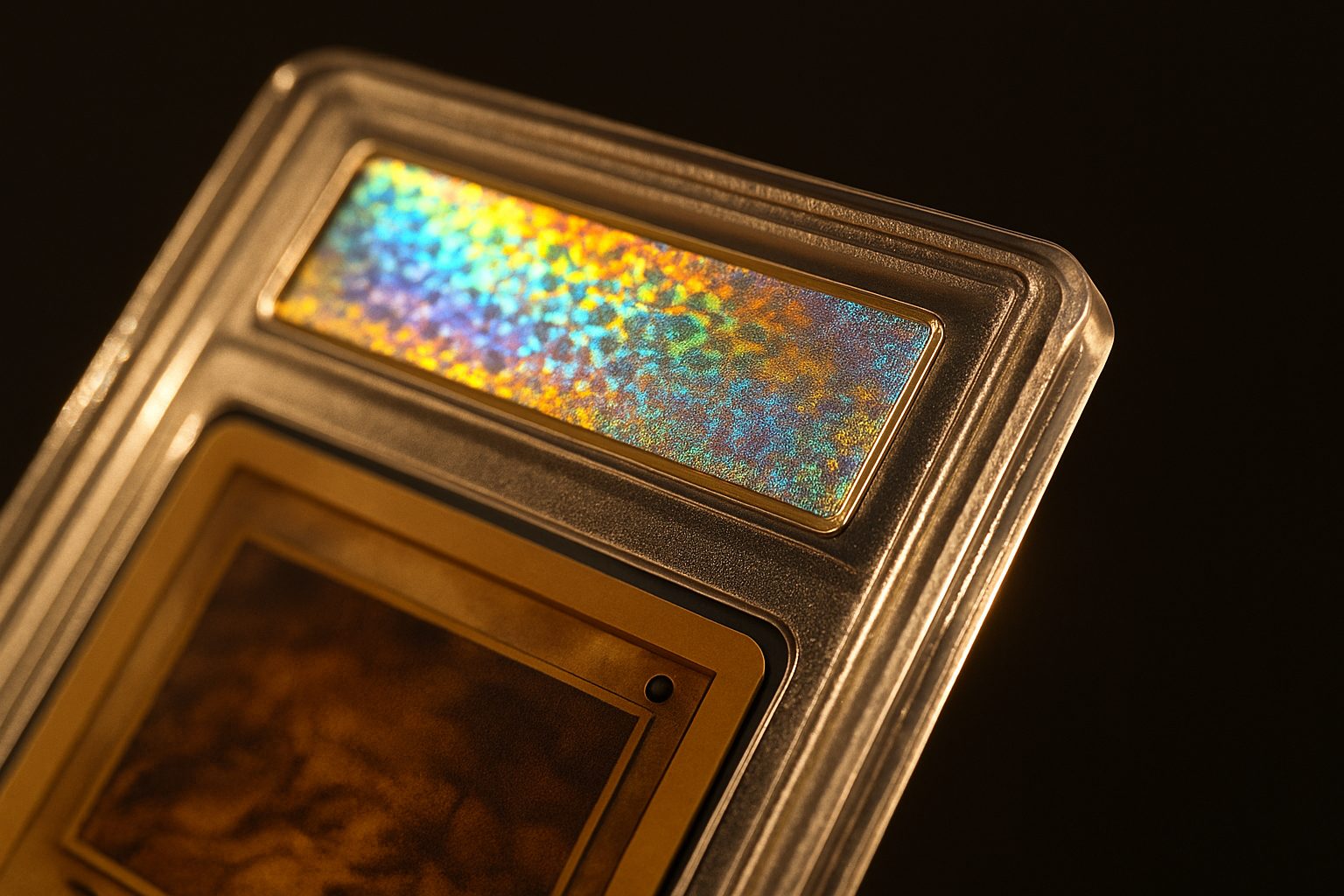
TL;DR: To spot a fake graded card, verify the certification number on the grader's official website, then confirm it matches the card, grade, and photos on file. Inspect the slab seams, label font, hologram, and inner-case fit under bright light. If any detail disagrees, walk away.
Counterfeit graded cards have exploded alongside the collectibles boom, and the same forgers who fake PSA and BGS slabs are now faking sealed Labubu Pop Mart blind box figures too. The good news: authentication is a repeatable checklist anyone can run in a few minutes. Here is exactly how to do it before money changes hands.
How do I verify a graded card is real?
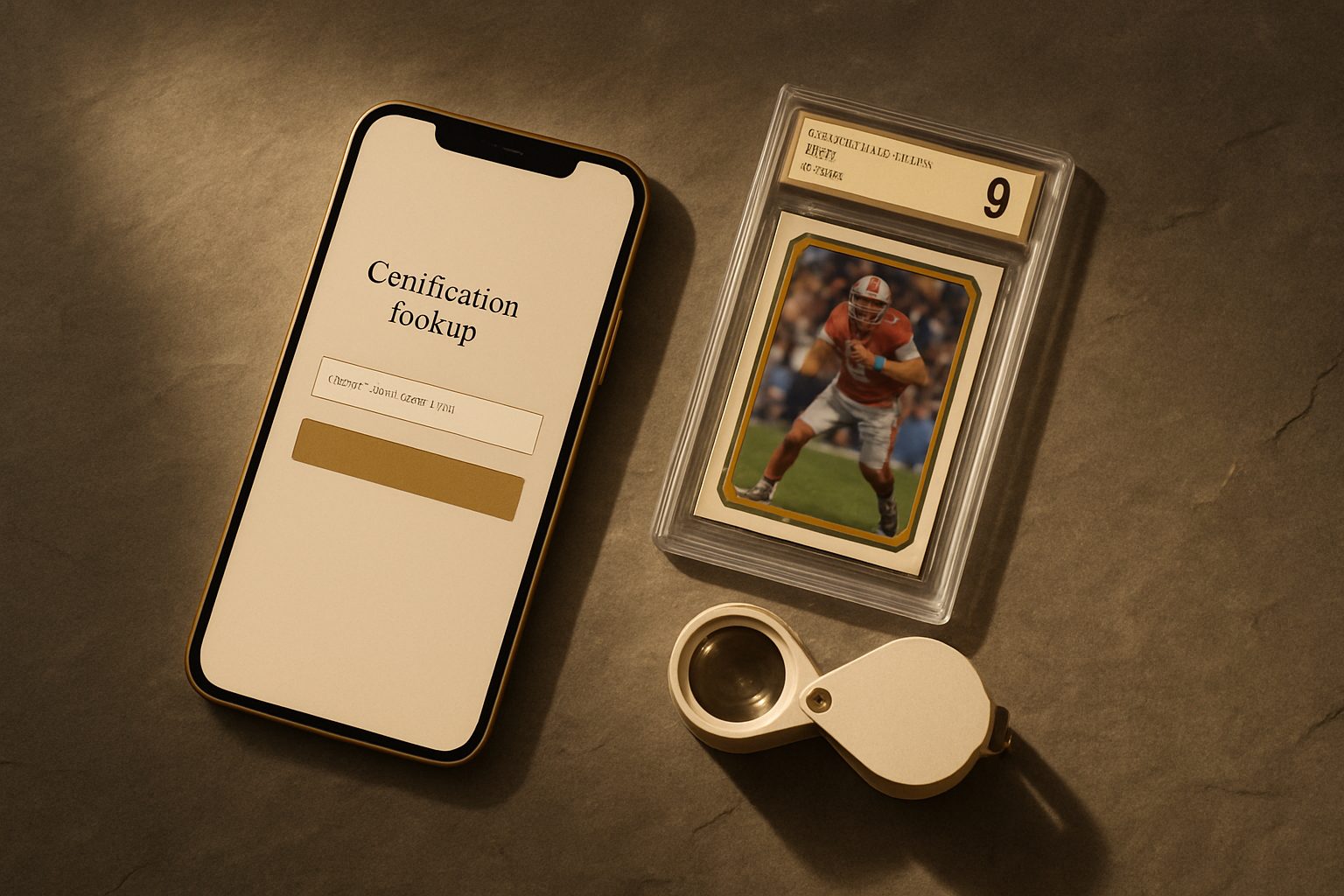
Start with the cert (certification) number: type it into the grader's official verification site — PSA, BGS/Beckett, CGC, or SGC — and confirm the returned card, set, year, and grade match the slab in front of you. A real cert pulls up matching population data and often reference photos.
Every major grader offers free public lookup:
- PSA — psacard.com/cert
- Beckett (BGS) — beckett.com verify tool
- CGC — cgccards.com/verify
- SGC — gosgc.com cert lookup
Red flags during lookup:
- Cert number returns "not found" or a completely different card.
- The grade on file is lower than the grade on the slab (label swaps are common).
- The photos on file show different centering, edges, or print marks than the physical card.
Cross-check the photos pixel by pixel. Forgers reuse a legitimate cert number on a lookalike card, so a matching number alone is not enough — the card itself must match the record.
What physical details reveal a counterfeit slab?
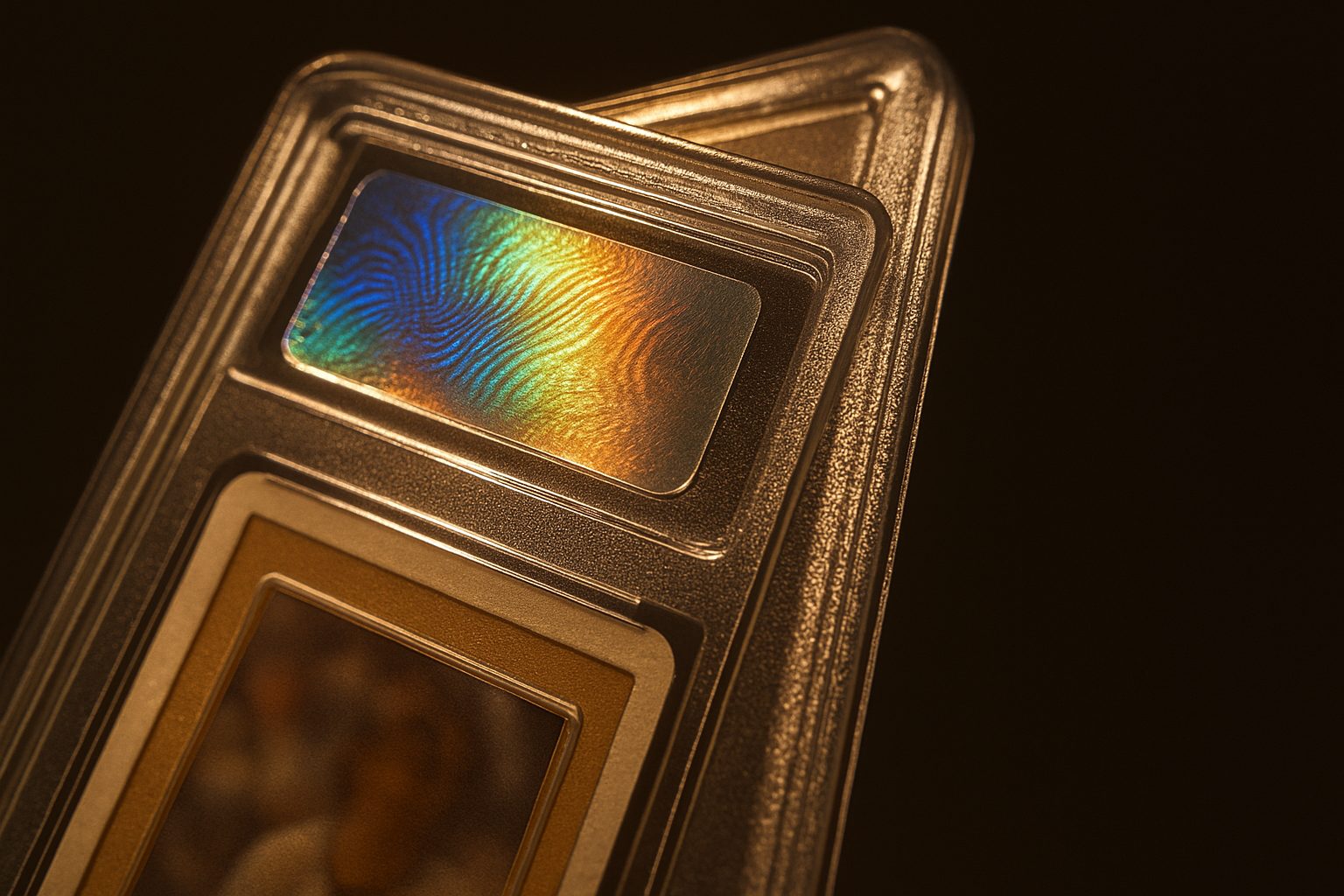
The slab is often easier to fake than the card, so inspect the case closely: genuine slabs have clean ultrasonic welds, crisp label printing, correct fonts, and a hologram or security element that shifts under light. Reseals, glue lines, and blurry labels are dead giveaways.
Run this hands-on inspection under a bright, angled light:
- Seams and welds — Real graders seal cases ultrasonically with even, seamless edges. Glue residue, visible seams, or a case that flexes at the joint signals a reseal.
- Label font and alignment — Compare the typeface, kerning, and logo against a known-genuine slab. Off fonts, fuzzy edges, or crooked text are common tells.
- Hologram and security ink — PSA, BGS, and CGC use holograms or micro-printing that shift color or reveal detail when tilted. A flat, static, or missing element is suspicious.
- Card fit — The card should sit snug and centered in its inner sleeve. A card that slides, rattles, or sits at an angle may have been swapped in.
- Slab generation — Graders update case designs over time. A "vintage" grade year in a brand-new-style case is a mismatch worth questioning.
Why are Labubu Pop Mart blind boxes now part of this?
Because Labubu Pop Mart blind box figures command resale premiums, counterfeiters have moved from cards into sealed figures, using the same tricks: cloned packaging, fake authentication stickers, and swapped contents. The verification mindset is identical — confirm the seal, check any code, and match the item to an official reference.
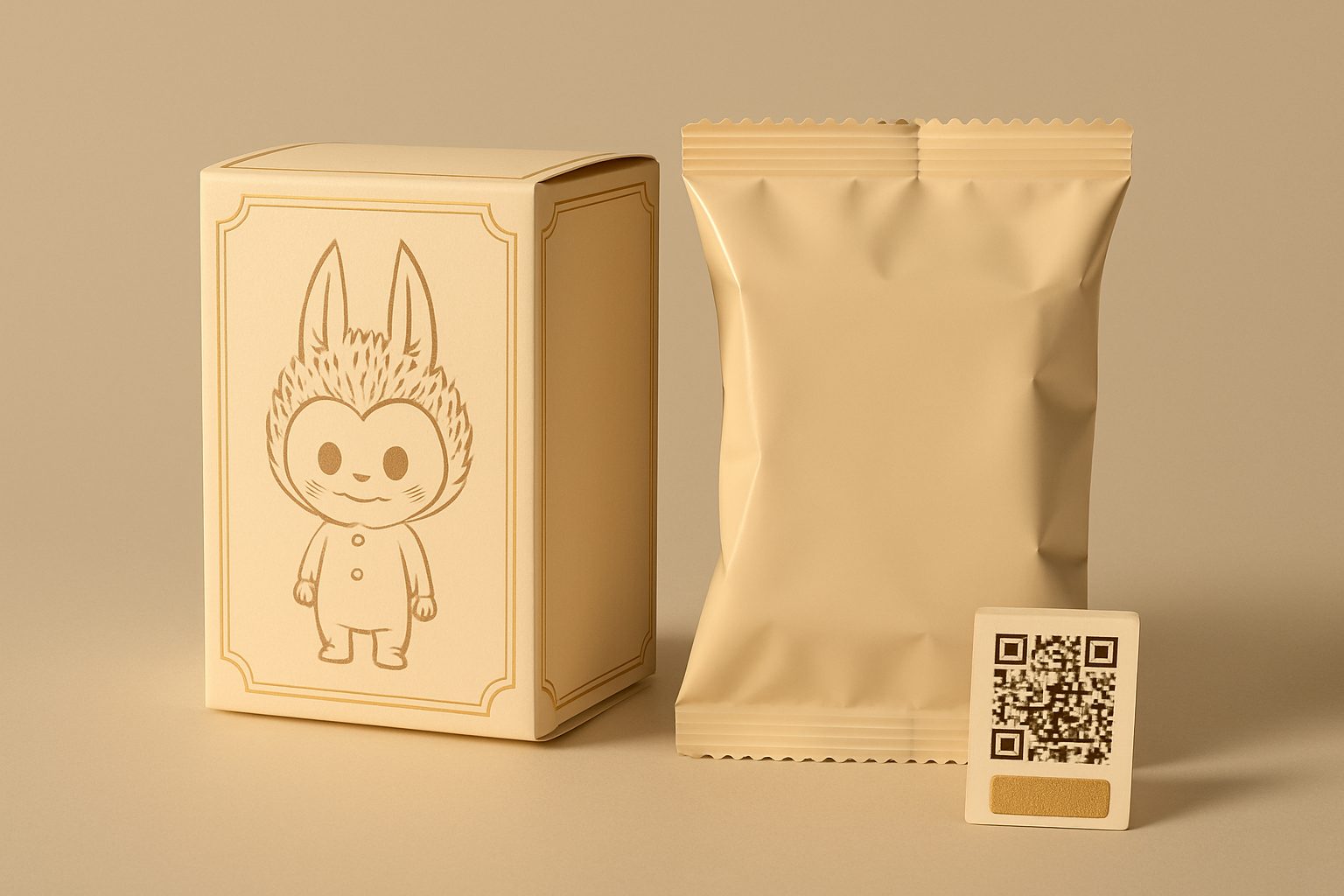
With Labubu and similar Pop Mart releases, look for accurate box printing, correct matte-vs-gloss finish, official QR or scratch-off authenticity codes, and factory-sealed inner bags. If a "rare" figure is offered loose or in a resealed box at a suspiciously low price, treat it exactly like an unverifiable slab: assume risk until proven otherwise. The lesson carries across every category — whether it is a 1999 holo, a modern parallel, or a designer vinyl figure, provenance beats hype.
What should I do if I already own a card I can't verify?
Get a second professional opinion before you buy more or resell. Reputable buyers and consignment shops inspect items daily and can flag a reseal or label swap fast — and if a card is genuine, they can turn it into cash or list it for you across trusted marketplaces.
That is where working with an established local shop pays off. At The Toy Showroom (Kali.J Design, Upland CA), we authenticate every item we handle. You can sell your cards and collectibles for cash with a 24-hour coded offer, or consign them and keep 60% of the net while we handle photography, shipping, and returns across eBay, Amazon, Whatnot, and weekly auctions. Either way, a trained eye reviews the item before it ever hits the market.
What is a quick pre-purchase checklist?
Run these five steps before paying for any graded card, and you will filter out the vast majority of fakes:
- Look up the cert number on the official grader site.
- Match the card to the set, year, grade, and reference photos on file.
- Inspect the slab — seams, font, hologram, and card fit under light.
- Compare the price to recent sold listings; deals far below market are bait.
- Vet the seller — reviews, return policy, and willingness to answer questions.
If any single step fails, pause. A genuine seller welcomes verification; a scammer rushes you.
FAQ
Q: Can a real cert number be on a fake card? A: Yes. Forgers reuse legitimate cert numbers on lookalike cards. Always match the physical card to the reference photos and population data, not just the number.
Q: Are cheap graded cards always fake? A: No, but prices far below recent sold comps are the single biggest warning sign. Legitimate bargains exist; unexplained ones usually don't.
Q: Which graders are most counterfeited? A: PSA is targeted most because of its volume and value, followed by BGS and CGC. All offer free online cert verification you should use every time.
Q: Do fake Labubu Pop Mart figures use the same tricks? A: Largely yes — cloned boxes, fake authenticity codes, and resealed packaging. Verify seals and official codes just as you would a card slab.
Q: Is it safer to sell to a shop than online? A: For unverified items, yes. A shop like The Toy Showroom evaluates your photos, checks the item in hand at drop-off, pays cash, or consigns for 60% of net, removing counterfeit and shipping risk from your side.