The terms, in plain language
Original
What it means: A product made and issued by the original manufacturer, from the production period it is described as.
Why it matters: This is what most collectors mean by "authentic". The production period matters: a 1980s figure and a 2020s re-release of the same character are different items even if both are genuine.
Officially licensed reissue or reproduction
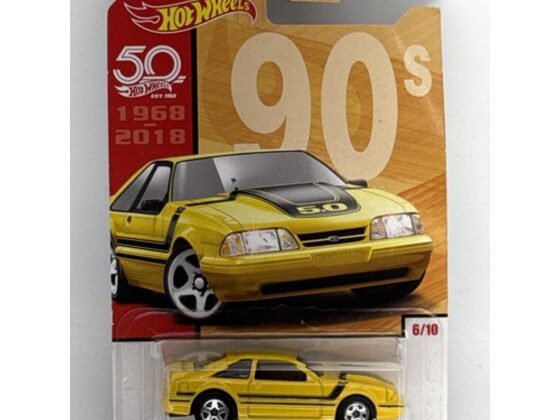
What it means: A legitimate later product, made or authorized by the rights holder, that resembles an older release - retro packaging lines, anniversary editions, re-releases.
Why it matters: Genuine, but not the original. It usually sells for far less than the vintage version it resembles, so it must be identified by its real release.
Bootleg or knockoff
What it means: An unauthorized product that copies or imitates another product or brand.
Why it matters: Not genuine. Some older bootlegs have their own collector following, but they must be described as bootlegs.
Counterfeit
What it means: An unauthorized item made or presented as if it were the genuine product.
Why it matters: We will not buy counterfeits. Trafficking in counterfeit goods is a crime - see U.S. Customs and Border Protection.
Aftermarket or reproduction part
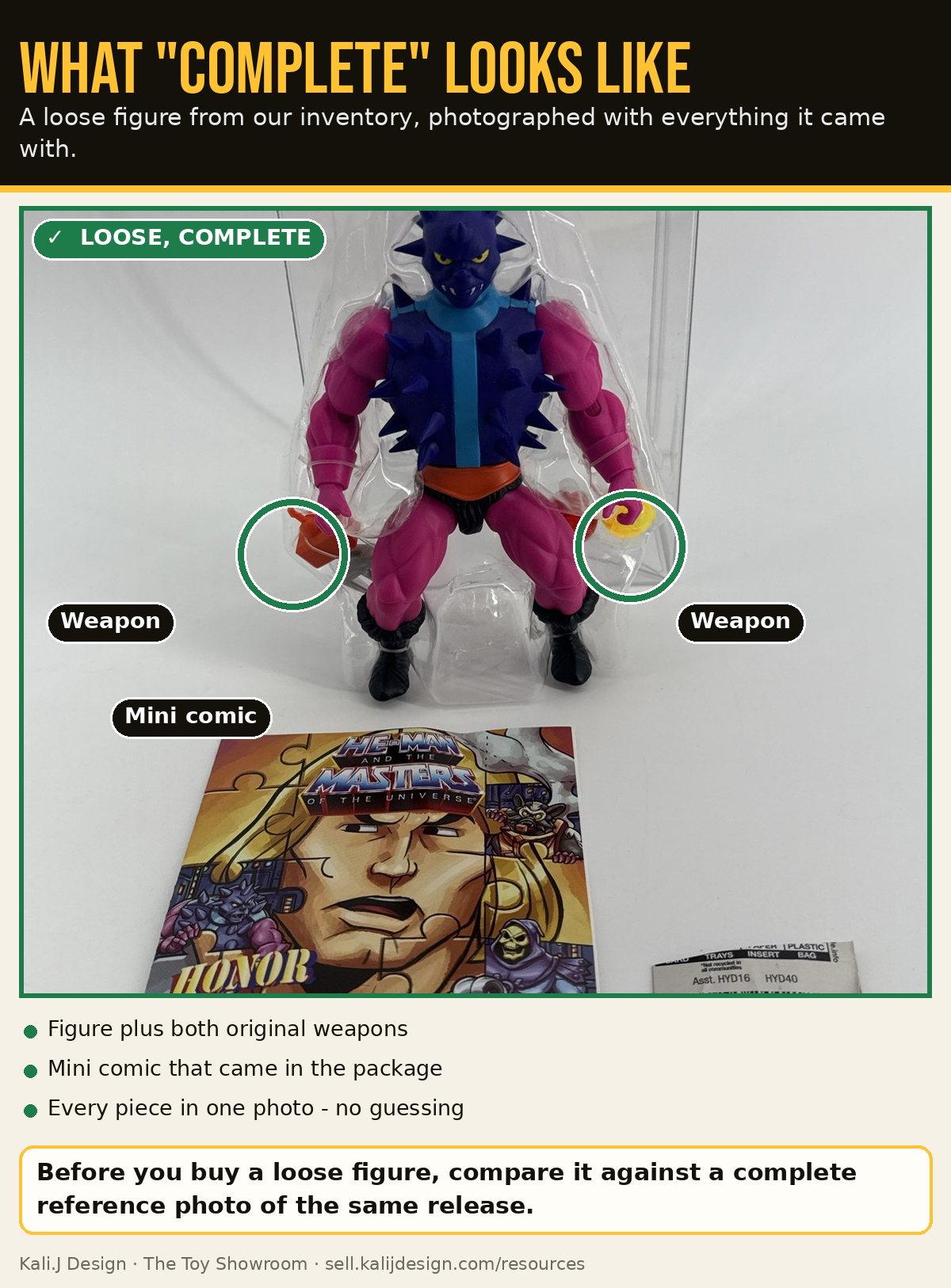
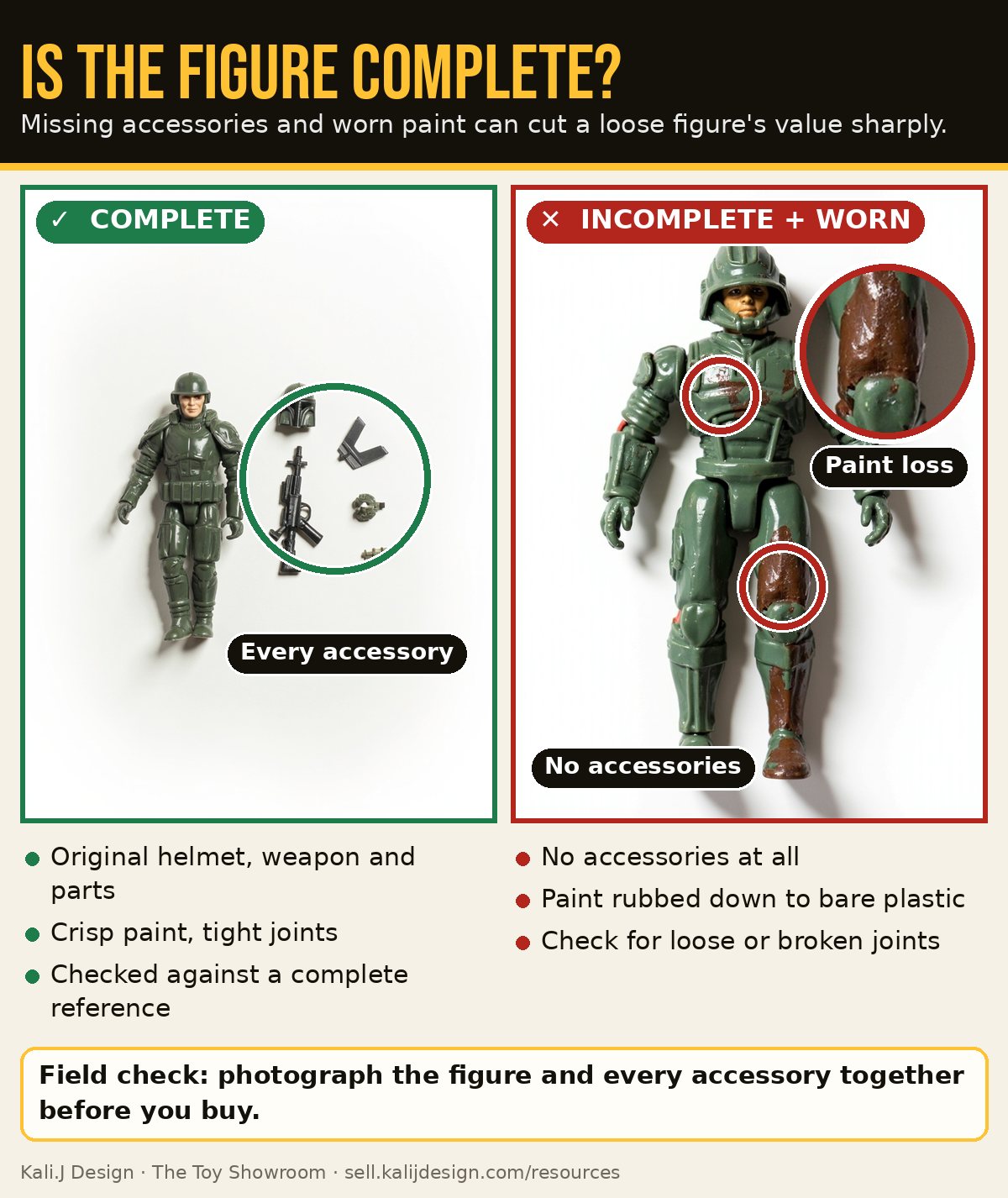
What it means: A replacement accessory or component that was not originally issued with the product - a newly made weapon for a vintage figure, replacement wheels, a new box.
Why it matters: The item can still be genuine overall, but the part is not original. Describe it; value is usually lower than a fully original piece.
Restored or altered
What it means: A genuine item that was changed after production: repainted, repaired, re-glued, customized.
Why it matters: Still genuine, but no longer in original condition. Restoration must always be disclosed.
How we handle authenticity
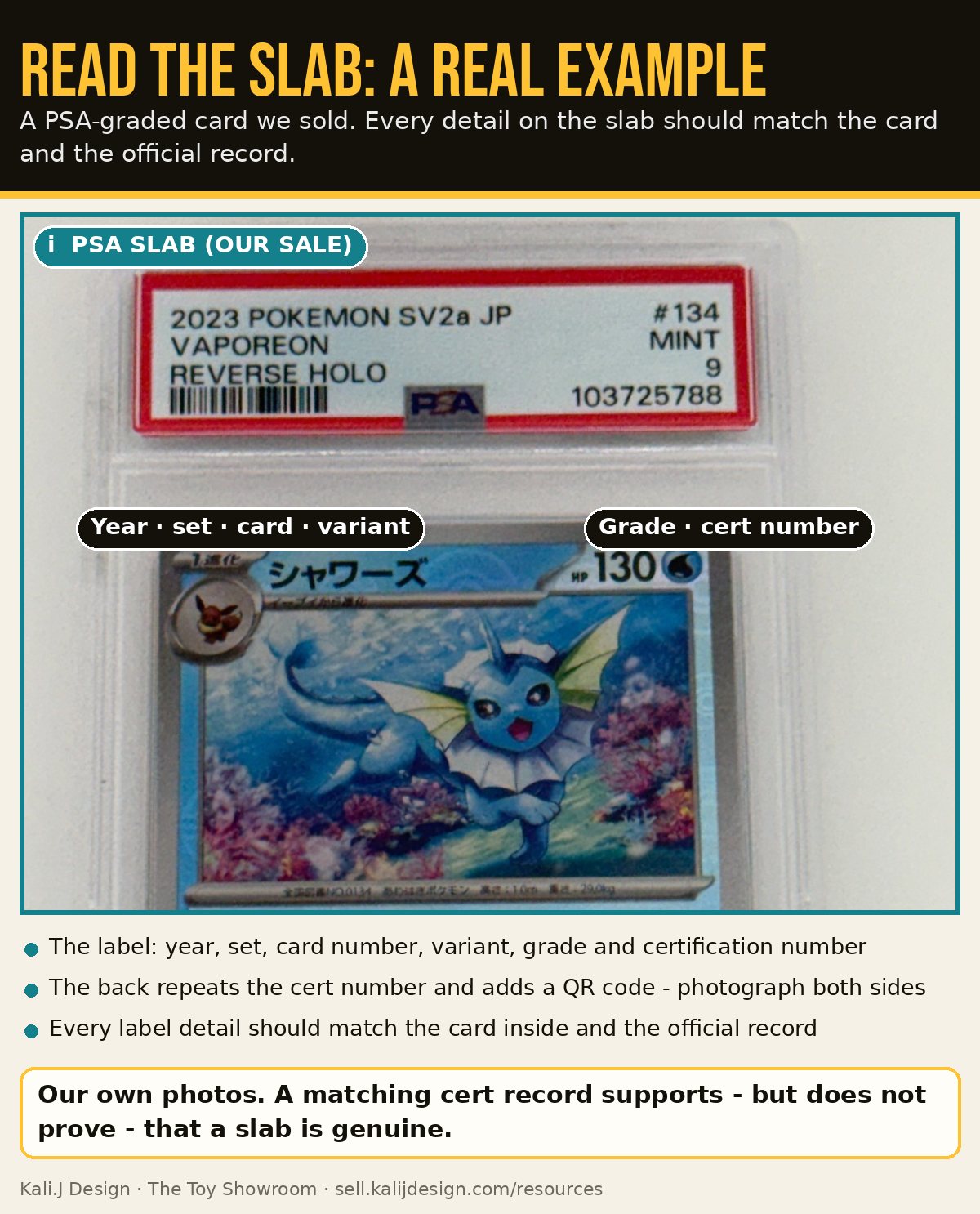
We look at identifying marks, construction, materials, packaging and how the item compares with known genuine examples. When our checks find nothing concerning, we say "no obvious concerns found" - that is not the same as a guarantee that an item is authentic. For higher-value or higher-risk items we may ask for more photos or suggest professional authentication before we make an offer.
General warning signs
- A price far below what the item normally sells for. The FTC warns that brand-name goods at bargain prices may be counterfeit.
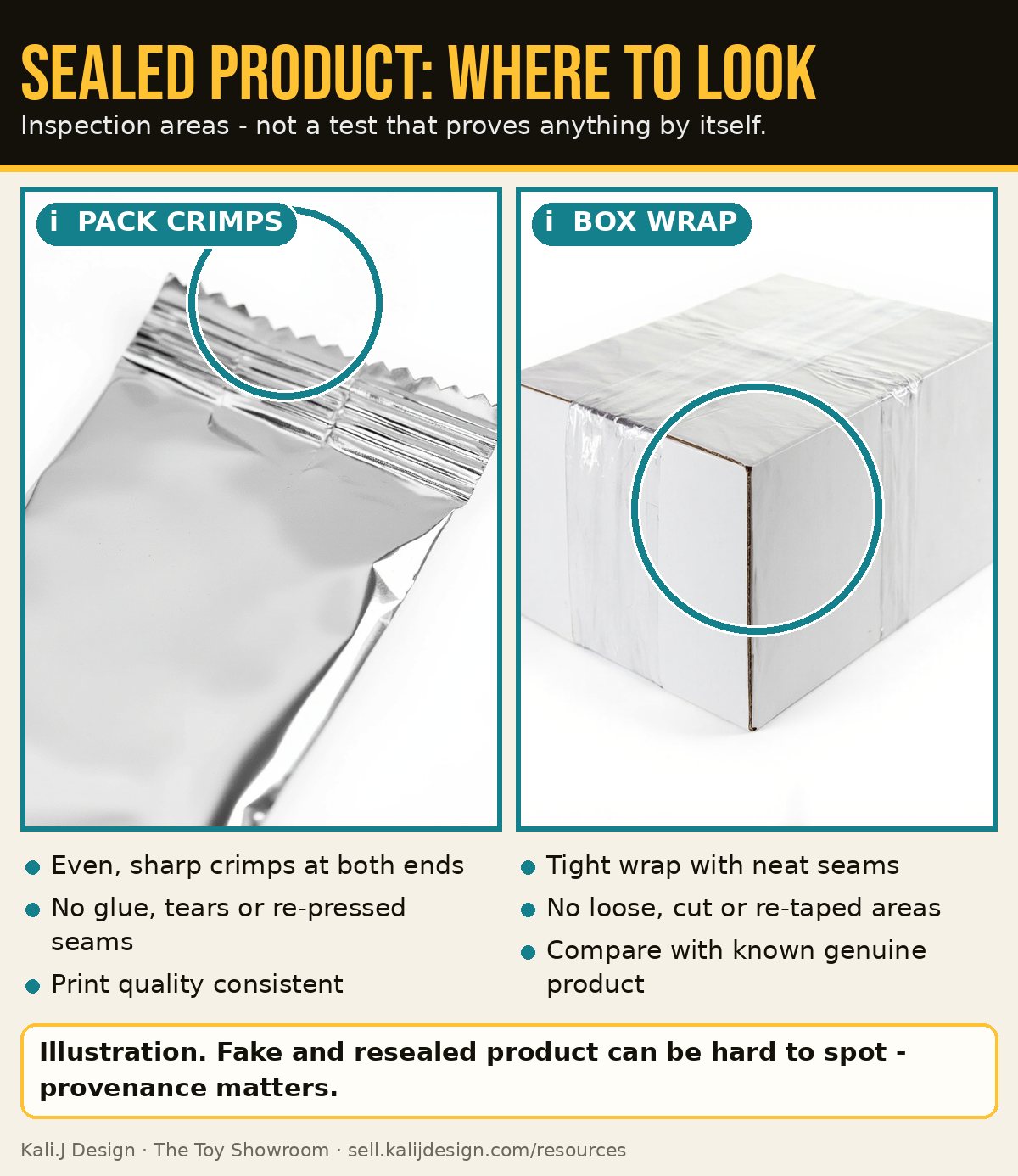
- Blurry printing, faded colors, poor packaging or missing materials - signs Nintendo lists in its piracy FAQ, and useful for many products.
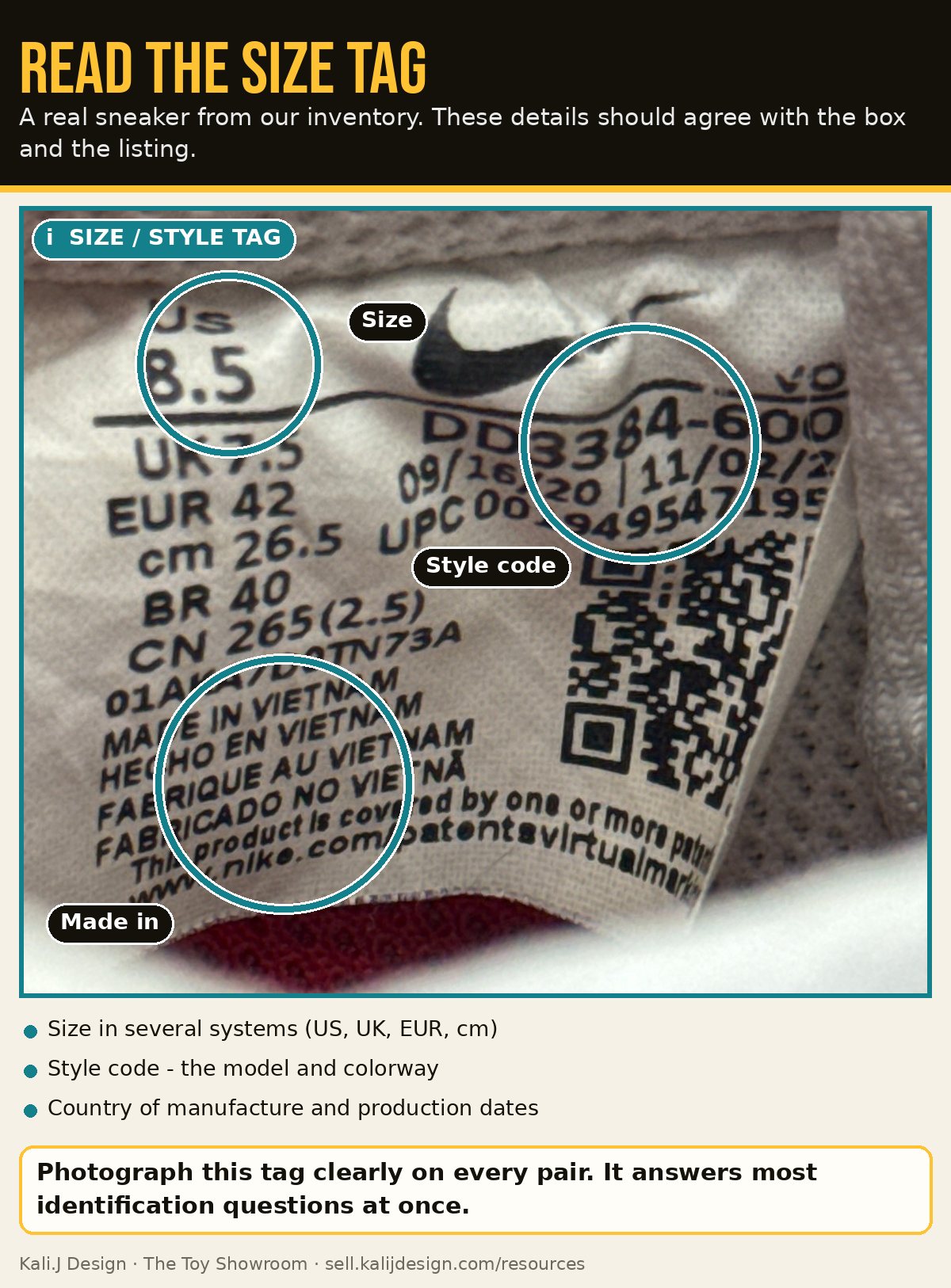
- Details that do not match a known genuine example of the same release: markings, colors, fonts, materials, sizes.
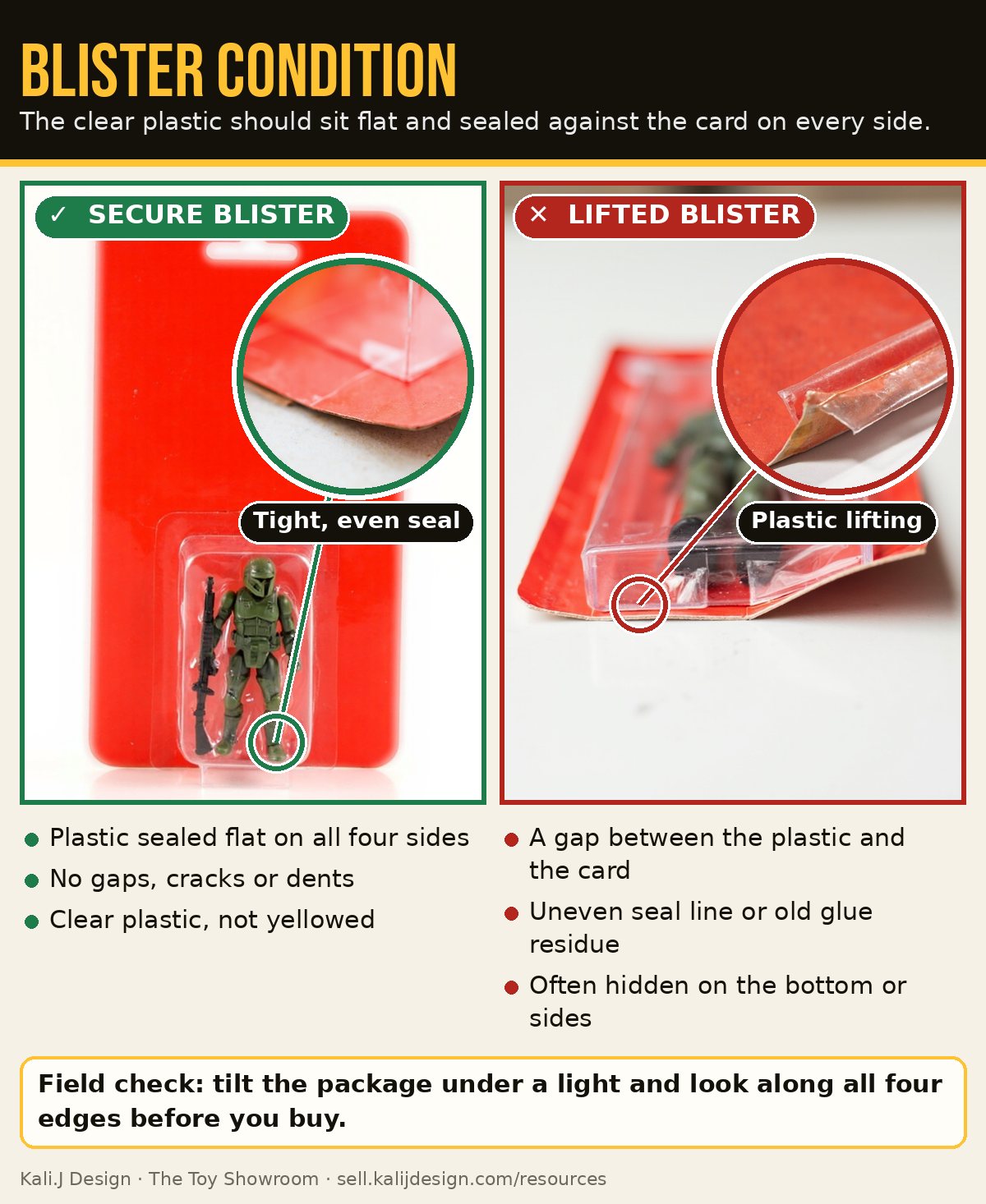
- Packaging that looks too new for an old item, or an old item in the wrong packaging.
- A seller who cannot say where the item came from, or who discourages close inspection.
Category guides
Professional authentication and grading
These are independent third-party services. They are not affiliated with Kali.J Design, and we do not receive anything for mentioning them.
- Third-party resourceLegitApp
Photo-based authentication for sneakers, streetwear, bags, toys and more, reviewed by human authenticators with AI assistance. - Third-party resourceCheckCheck
Photo-based sneaker and luxury authentication; an item passes when two independent authenticators agree. - Third-party resourceEntrupy
Device-based authentication sold mainly to businesses. - Third-party resourceAction Figure Authority (AFA)
Authenticates and grades action figures and packaged toys. - Third-party resourceCollector Archive Services (CAS)
Grades and encapsulates packaged collectibles. - Third-party resourceCGC Video Games
Grades video games, including complete-in-box sets.
Common authenticity mistakes
- Assuming old-looking means oldRetro-styled packaging is a deliberate design choice on many modern lines.
- Reading a copyright date as a production dateDates molded on toys and cars usually record the design or license year. See the category guides.
- Treating an authentication app result as the final wordIt is a useful opinion. Keep the certificate and the photos you submitted.
- Describing a reproduction part as originalEven when the item is genuine, replaced parts must be disclosed.
Related guides
Found something?
Send us clear photos for a quote. Our offers are based on real sold prices, not asking prices. Local to Upland, CA - or ship it in.